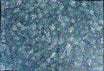
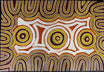
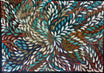
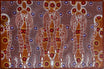
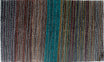
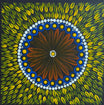
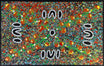
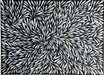
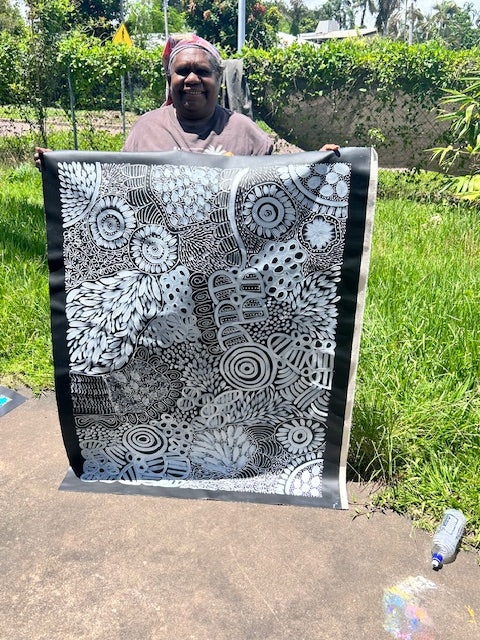
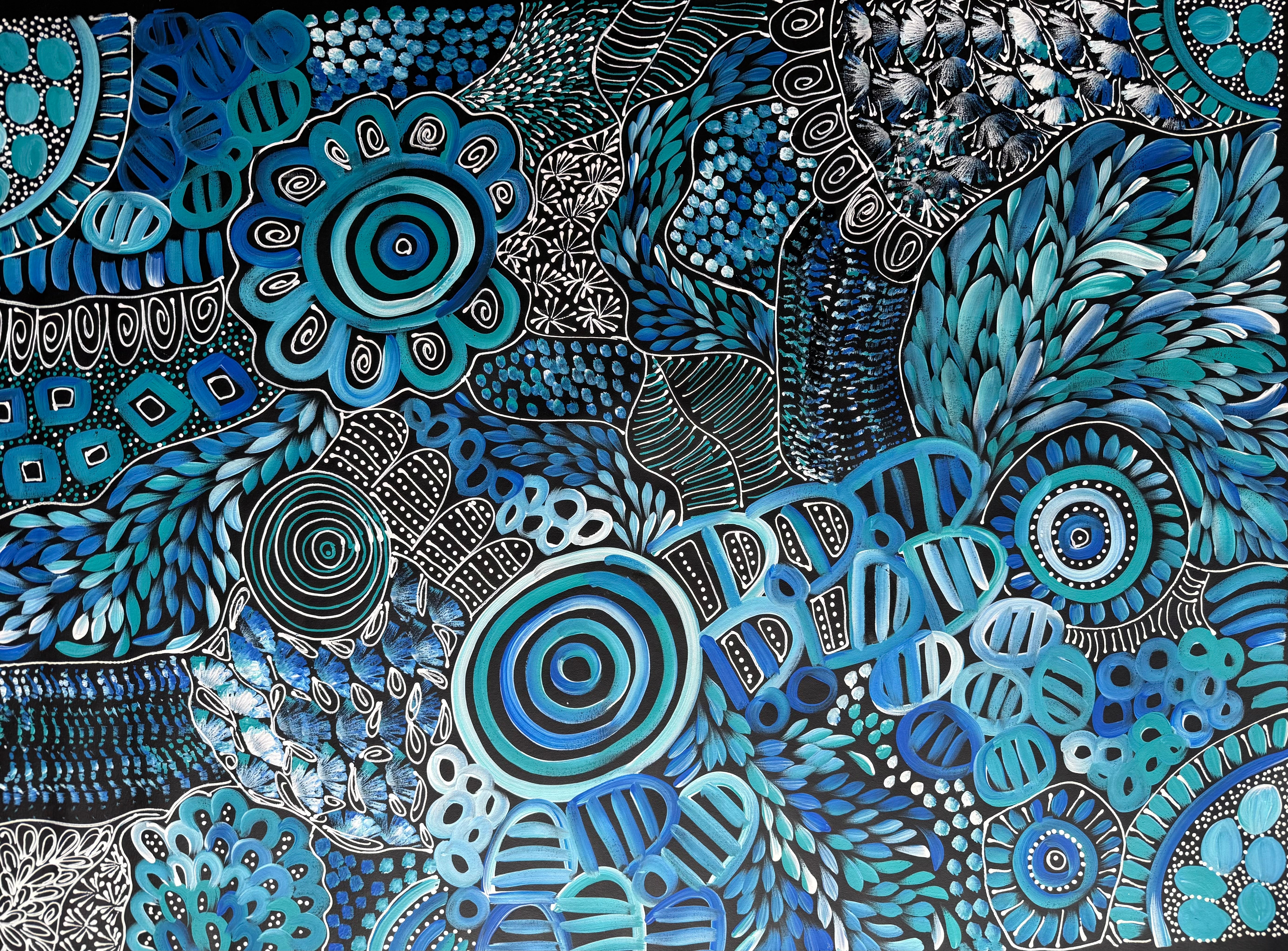
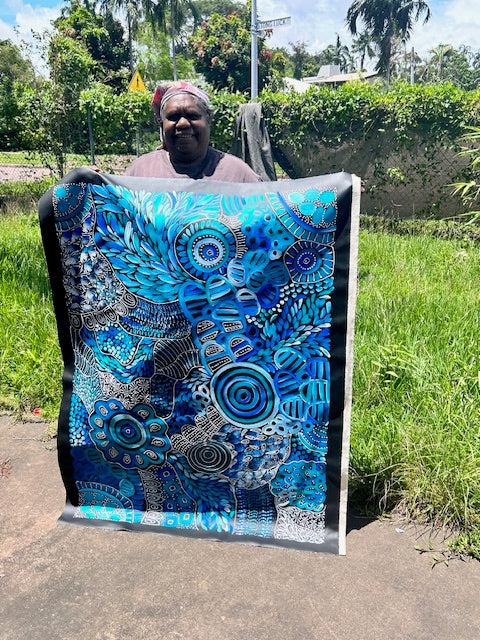
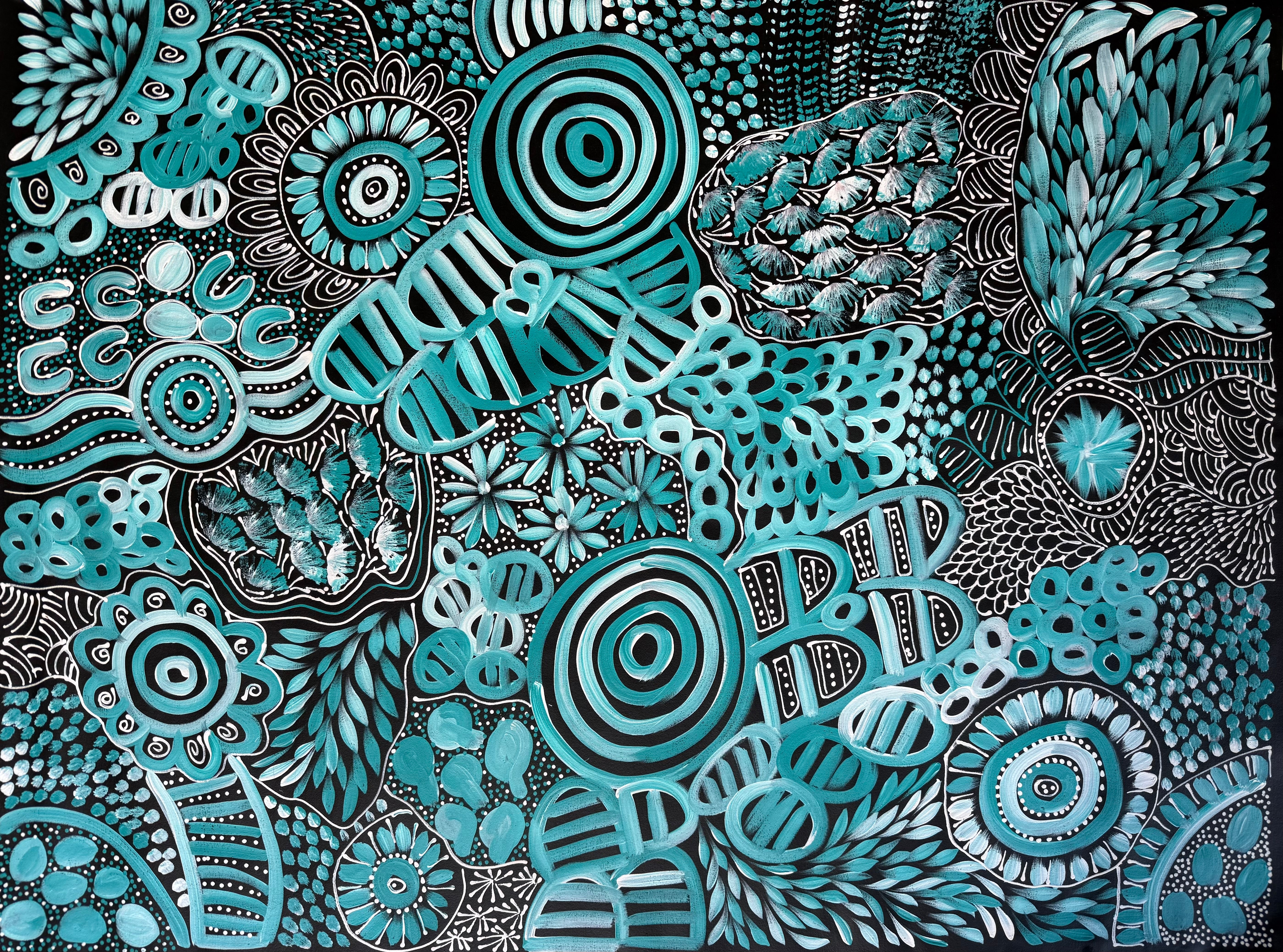
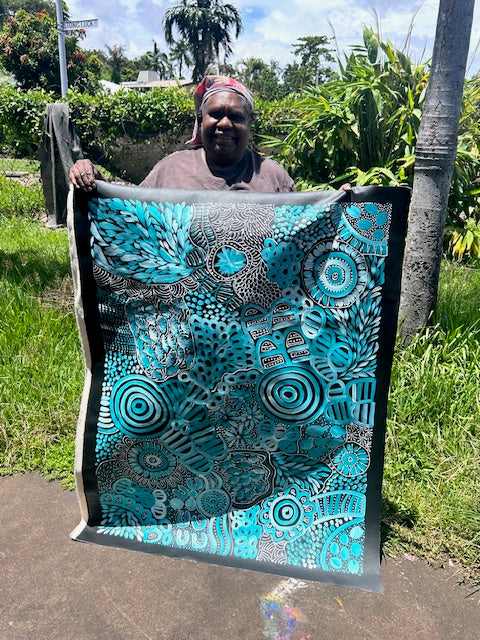
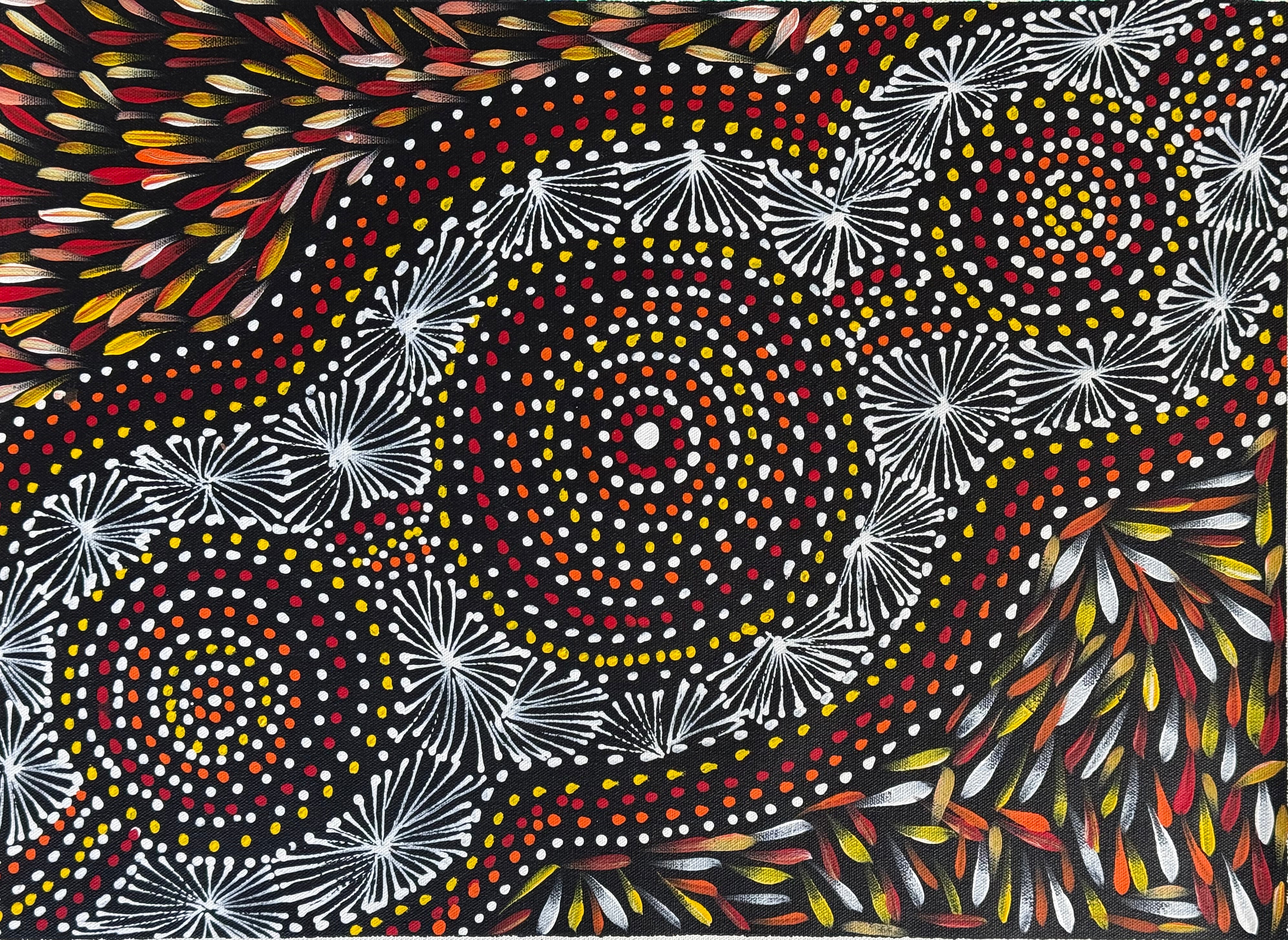
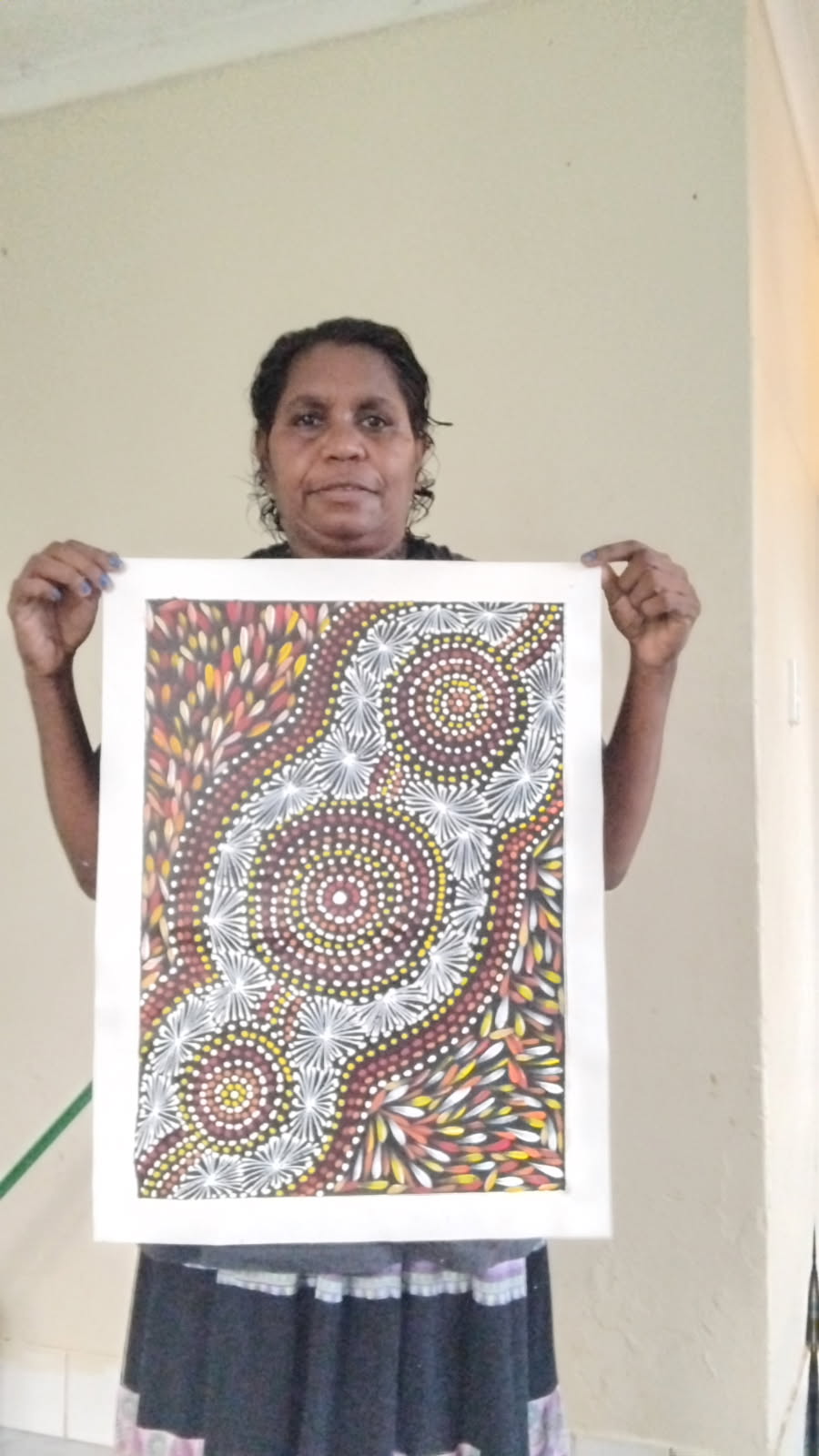
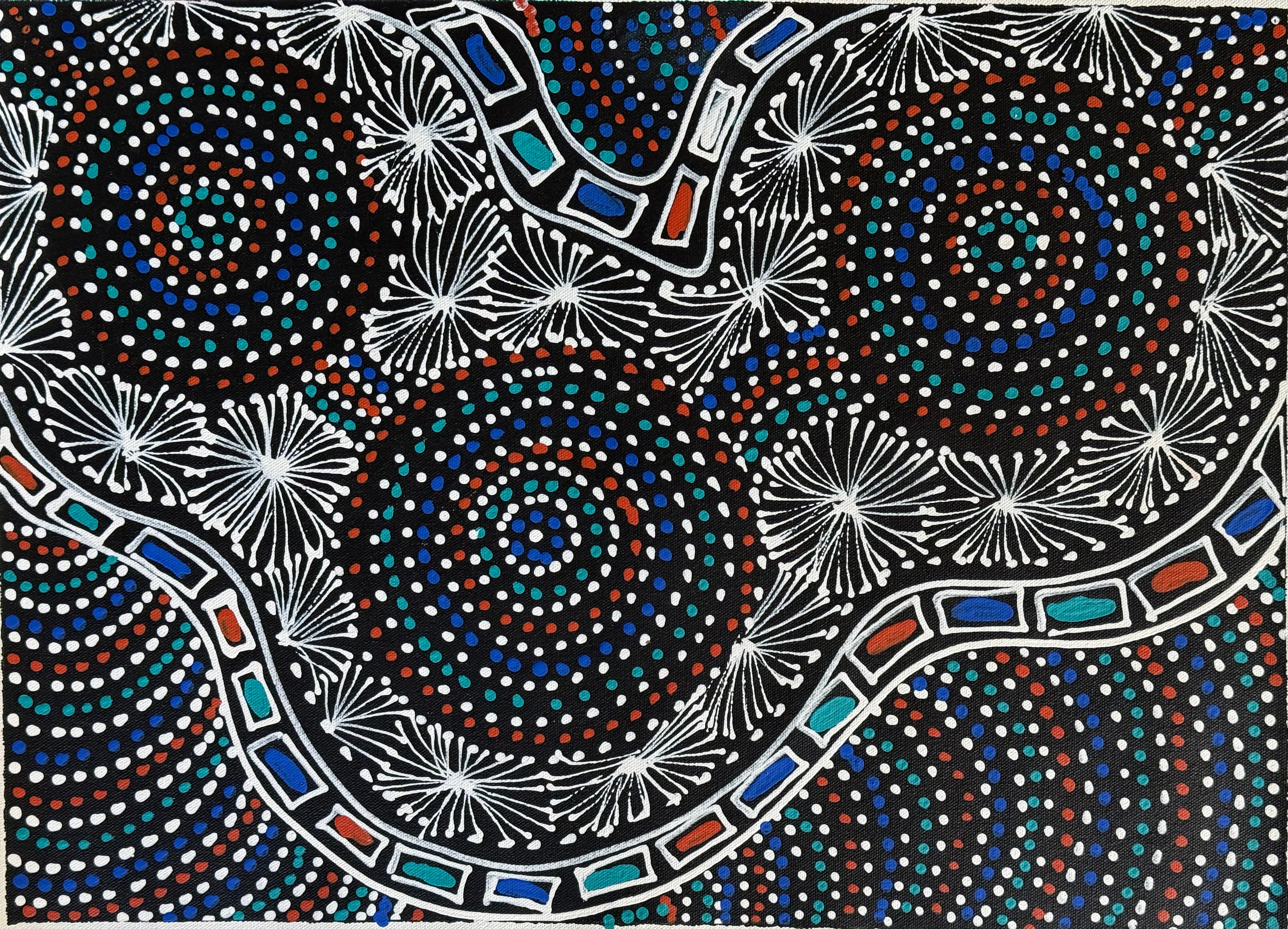
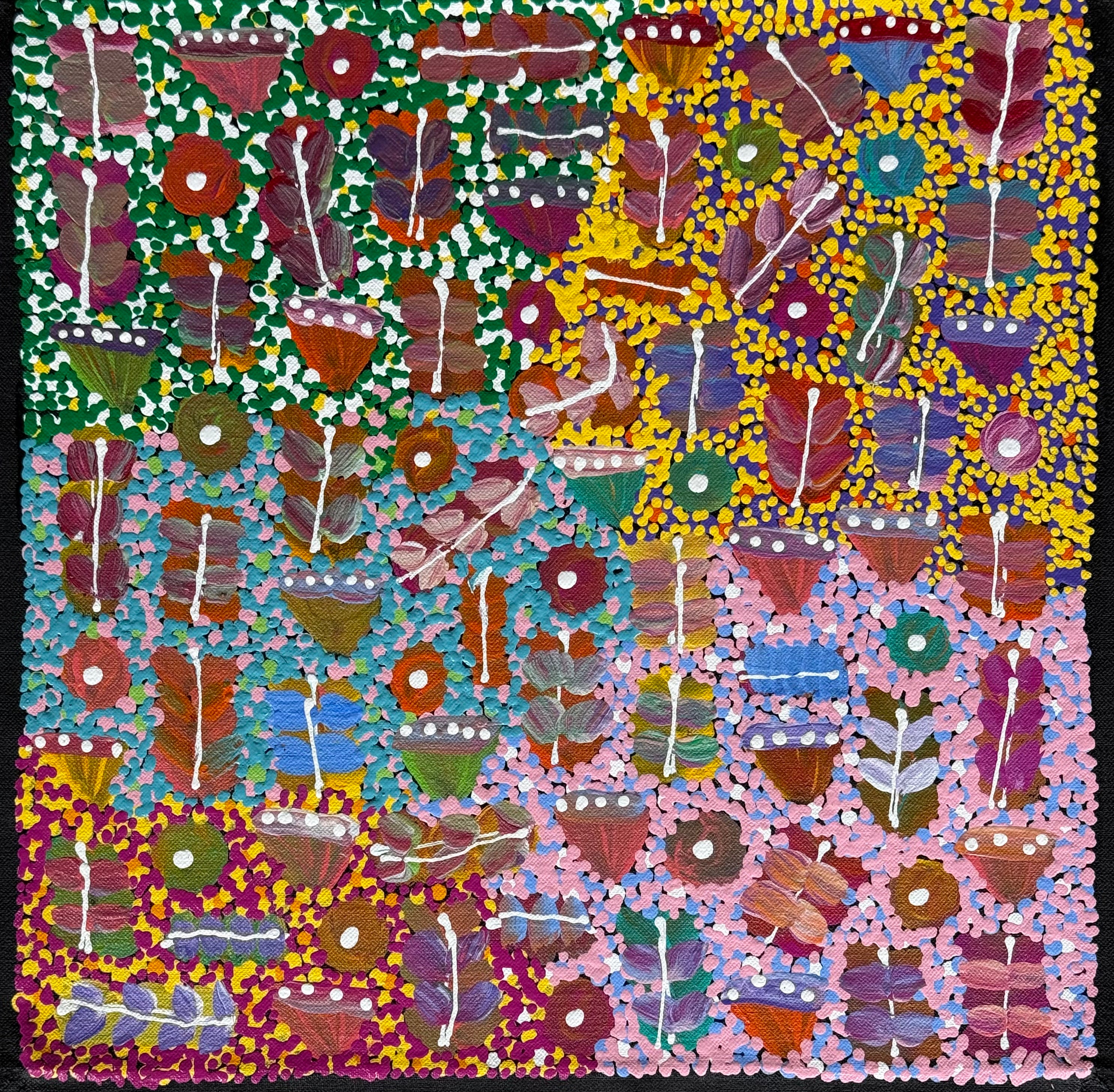
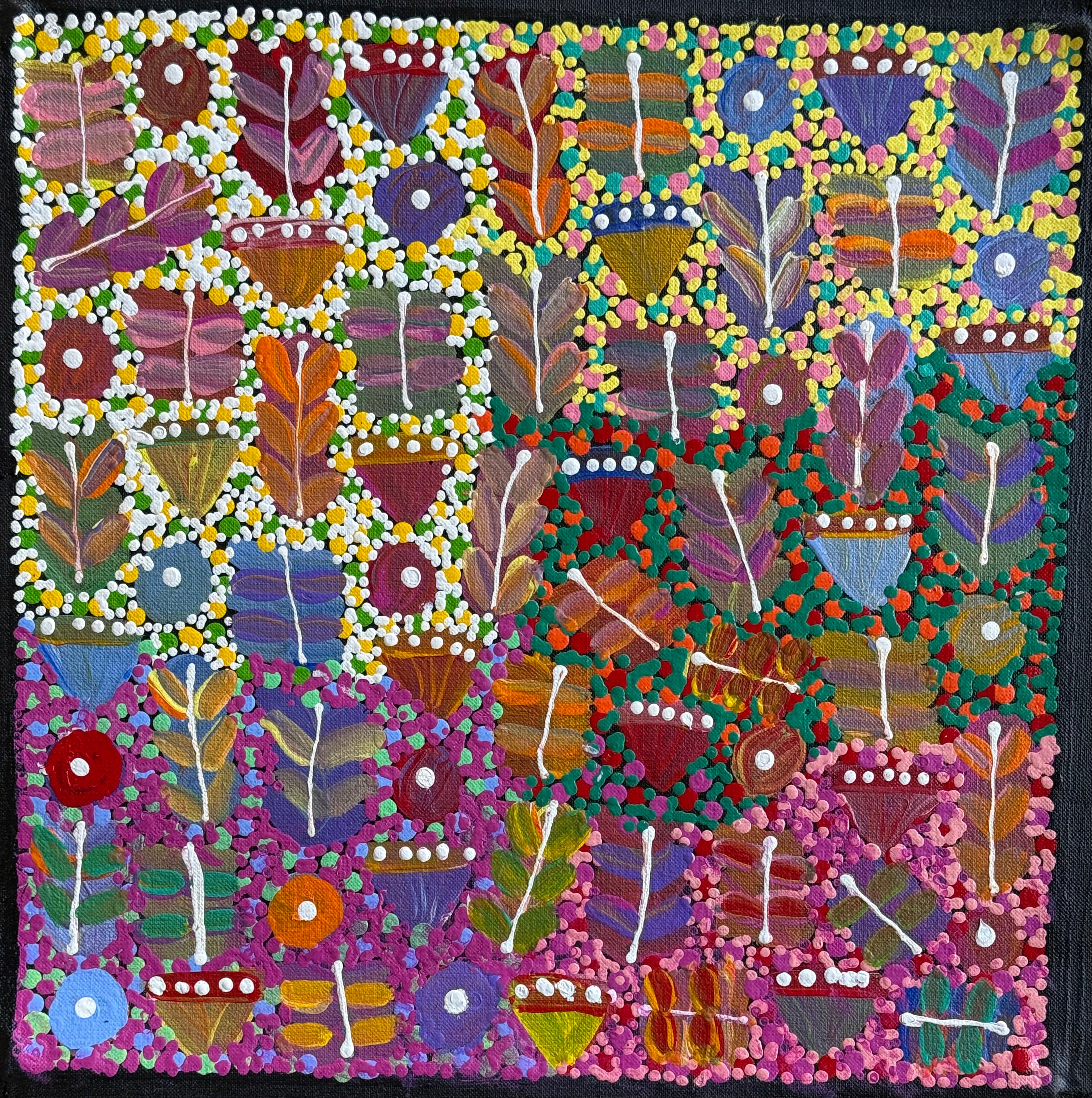
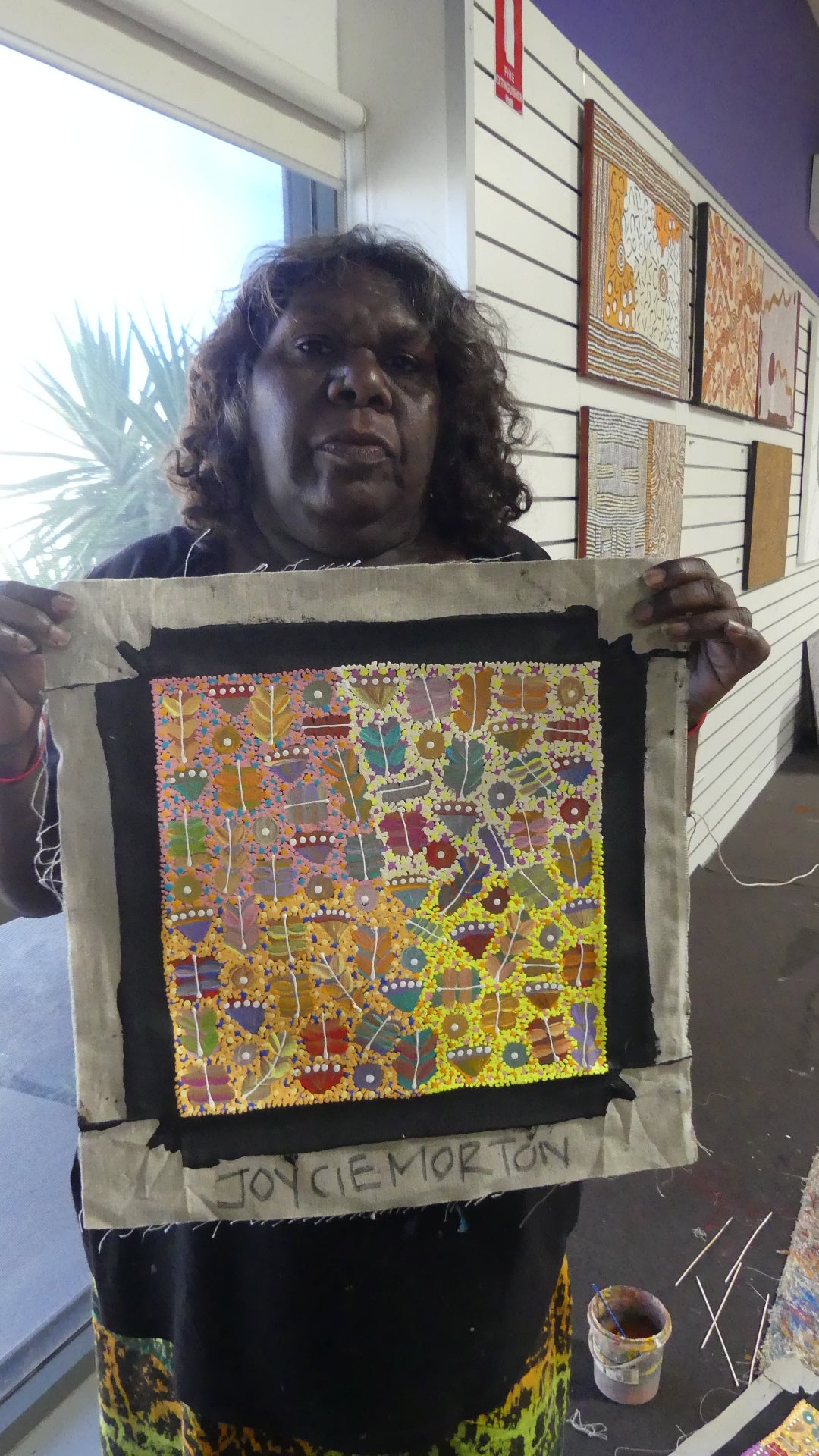
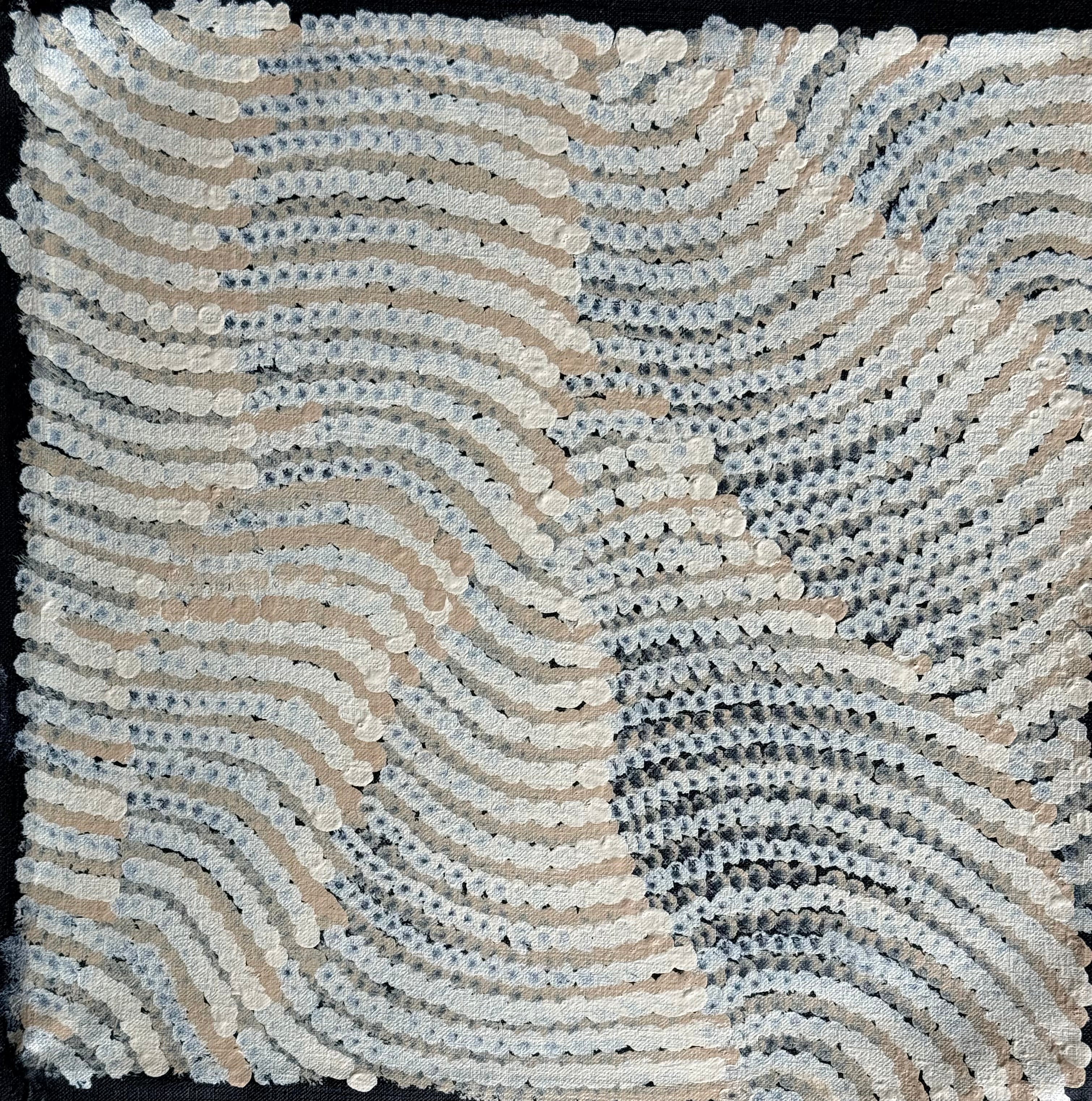
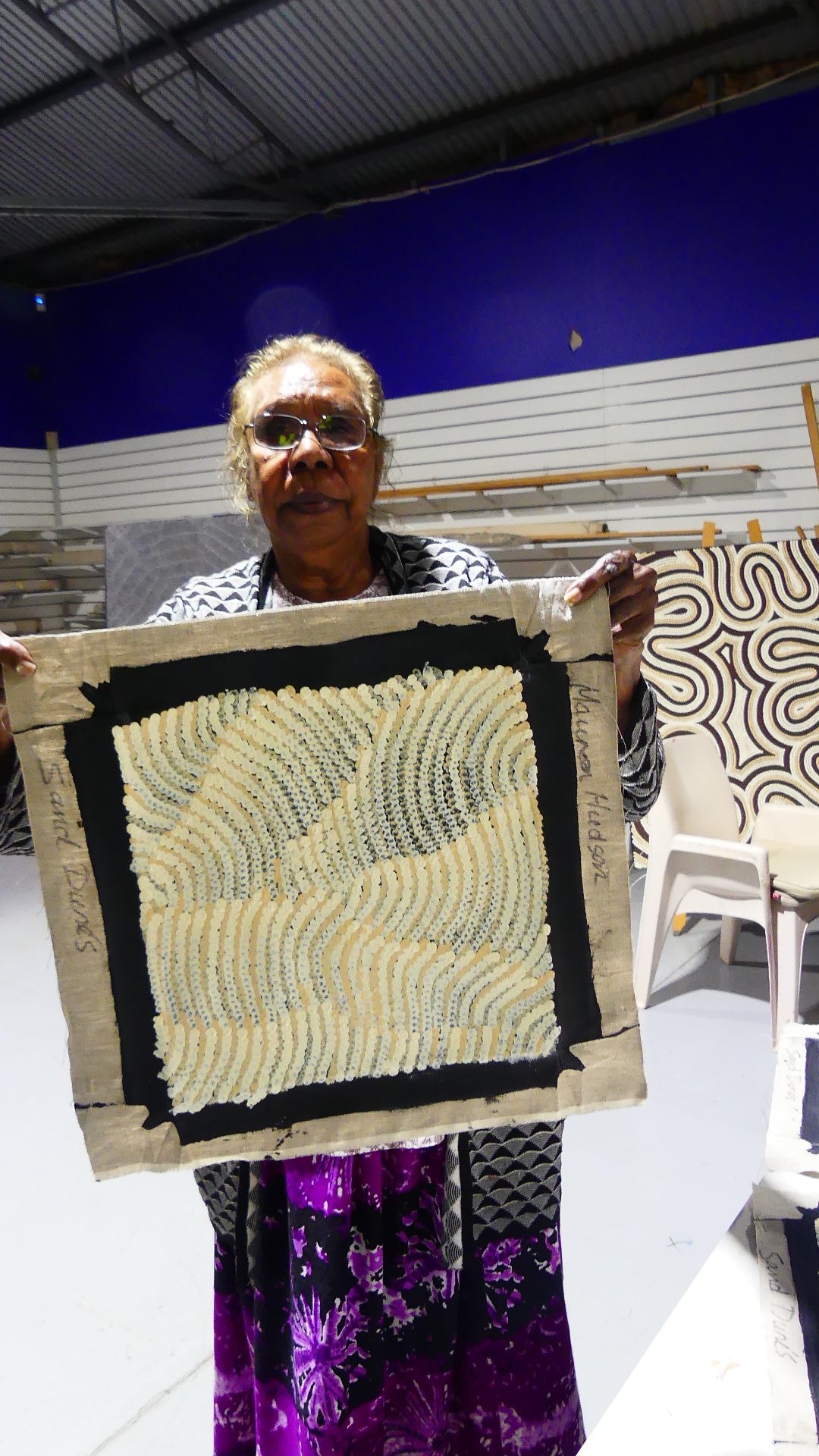
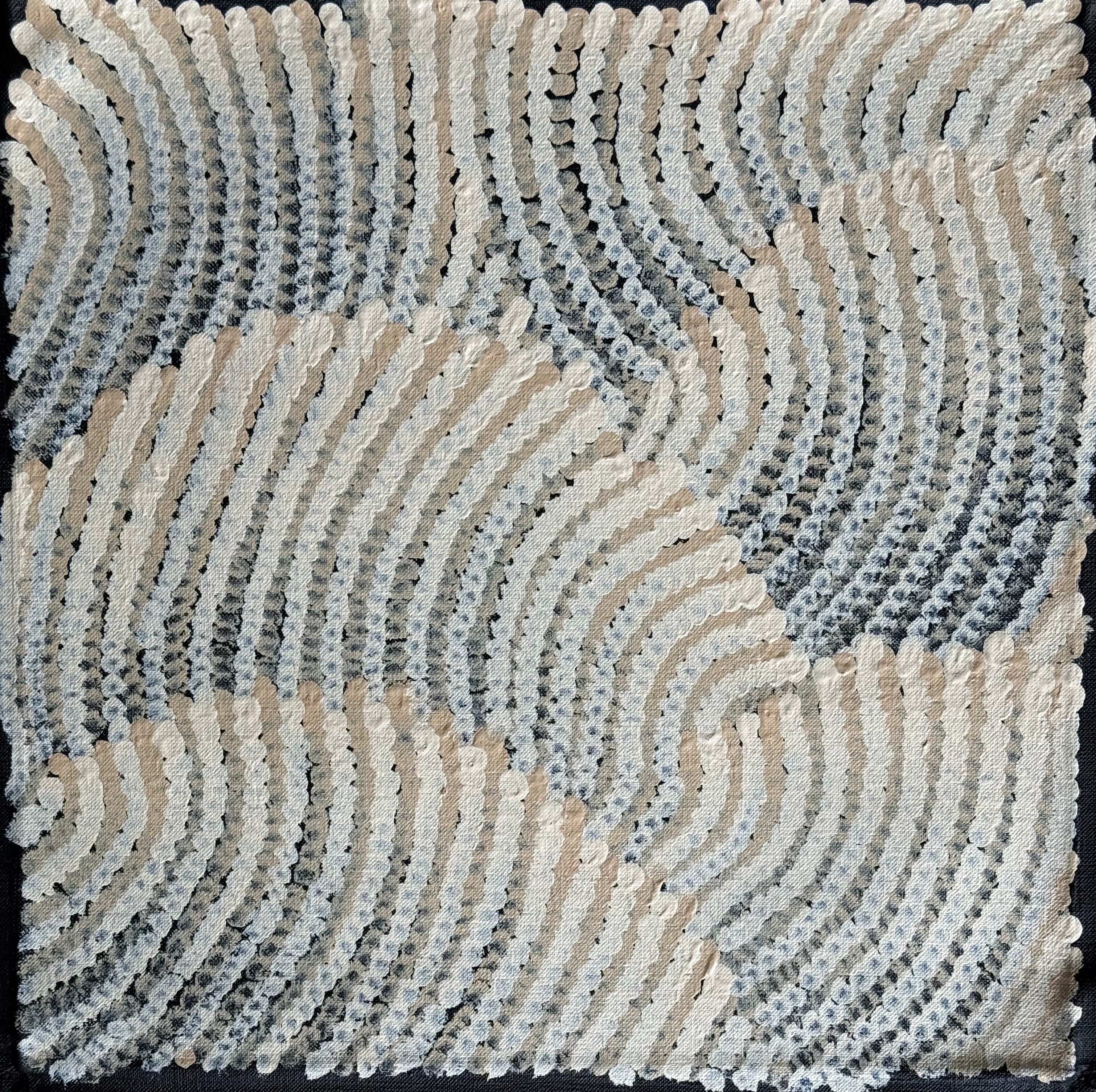
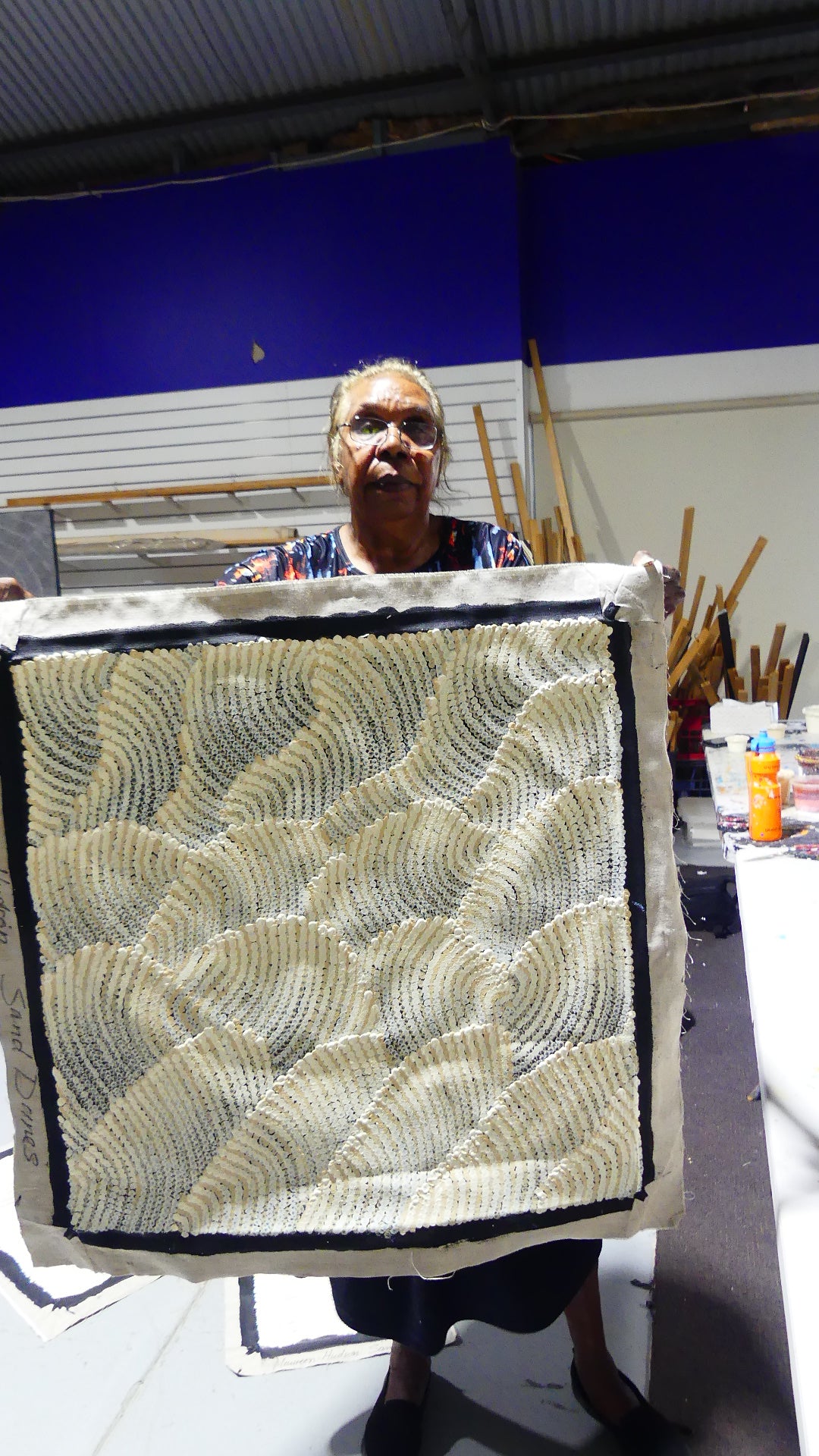
The short answer is no, of course he didn’t. What he did do was introduce canvas and acrylic paint to indigenous culture.
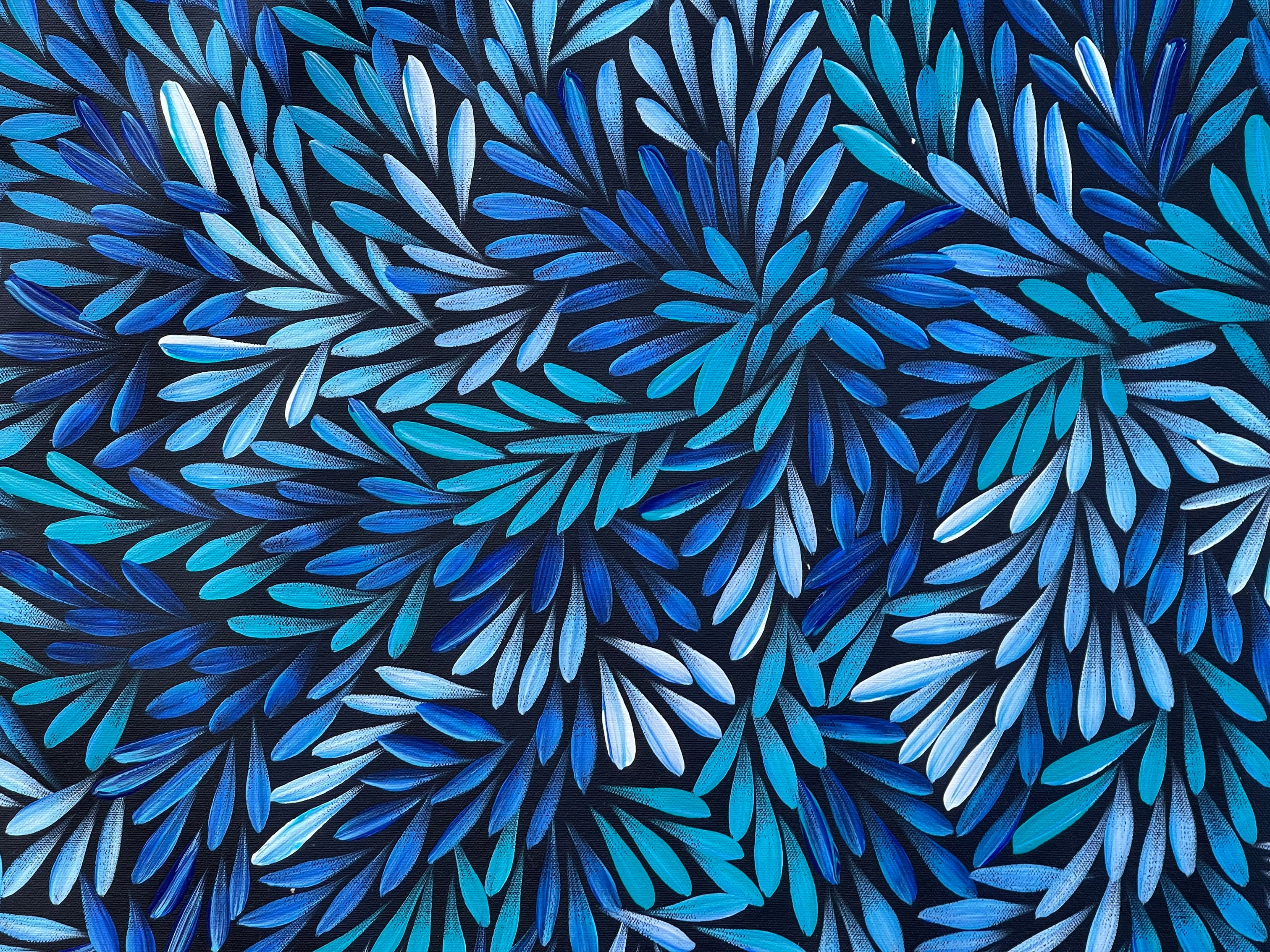
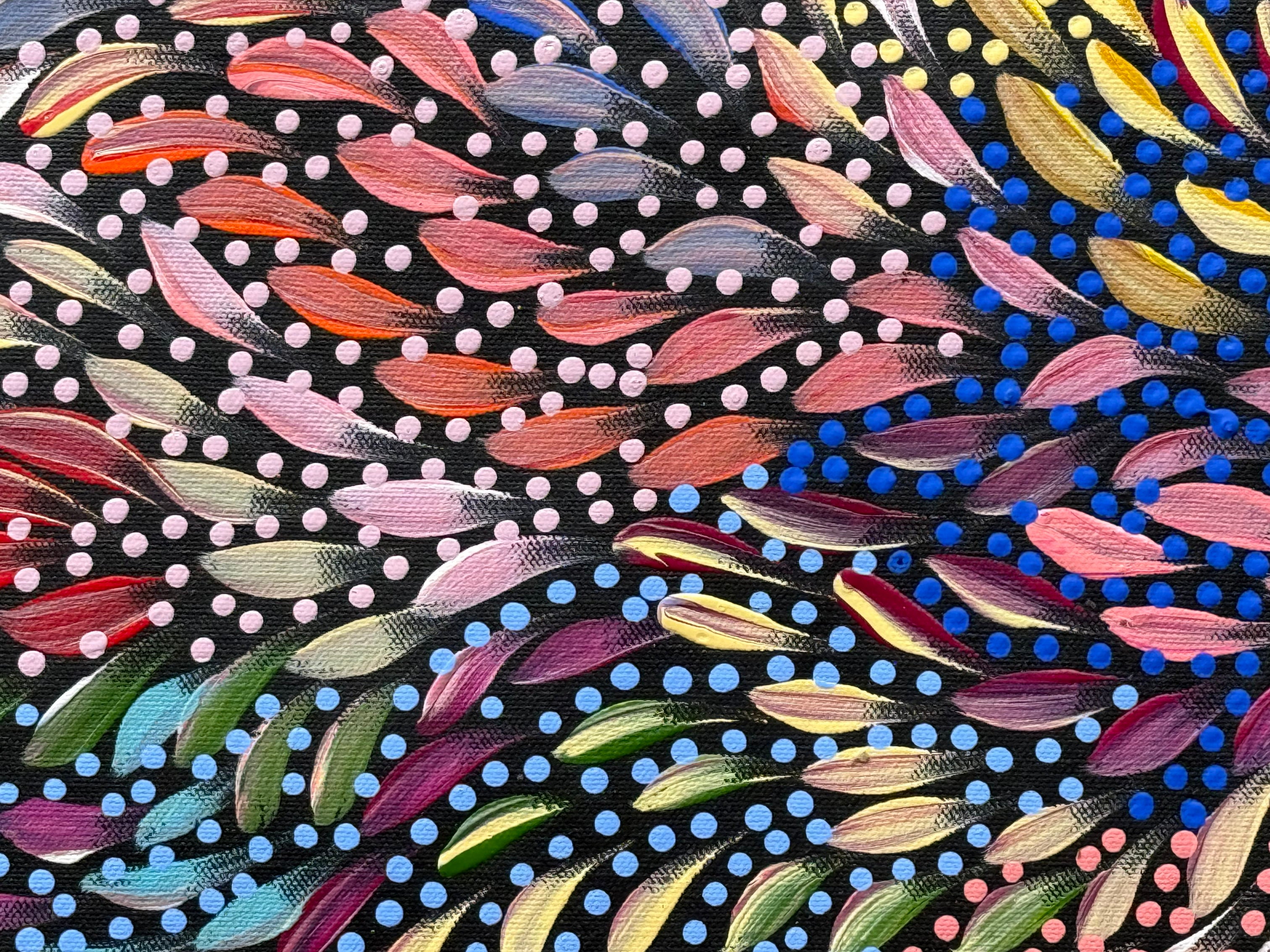
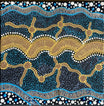
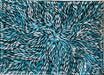
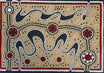
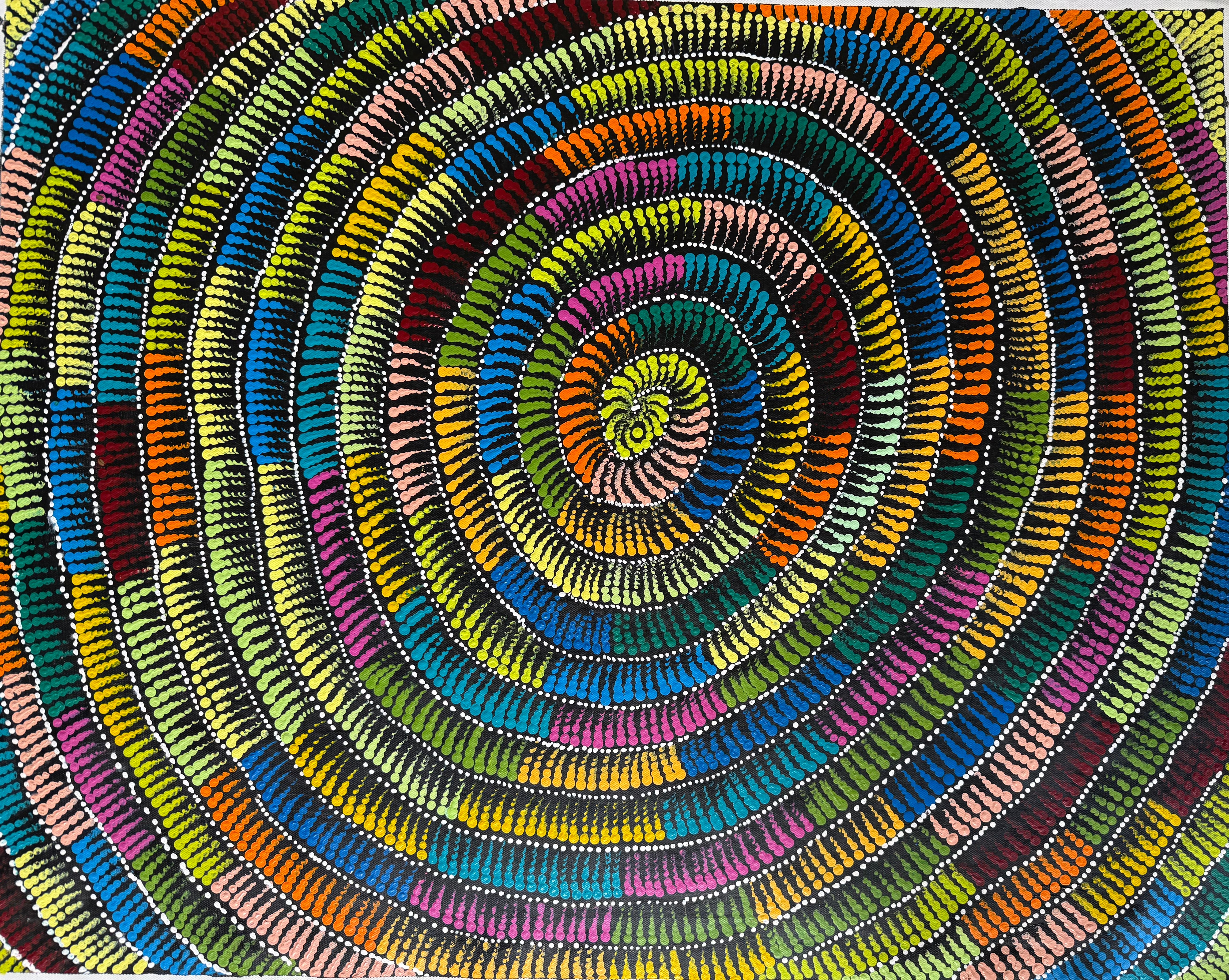
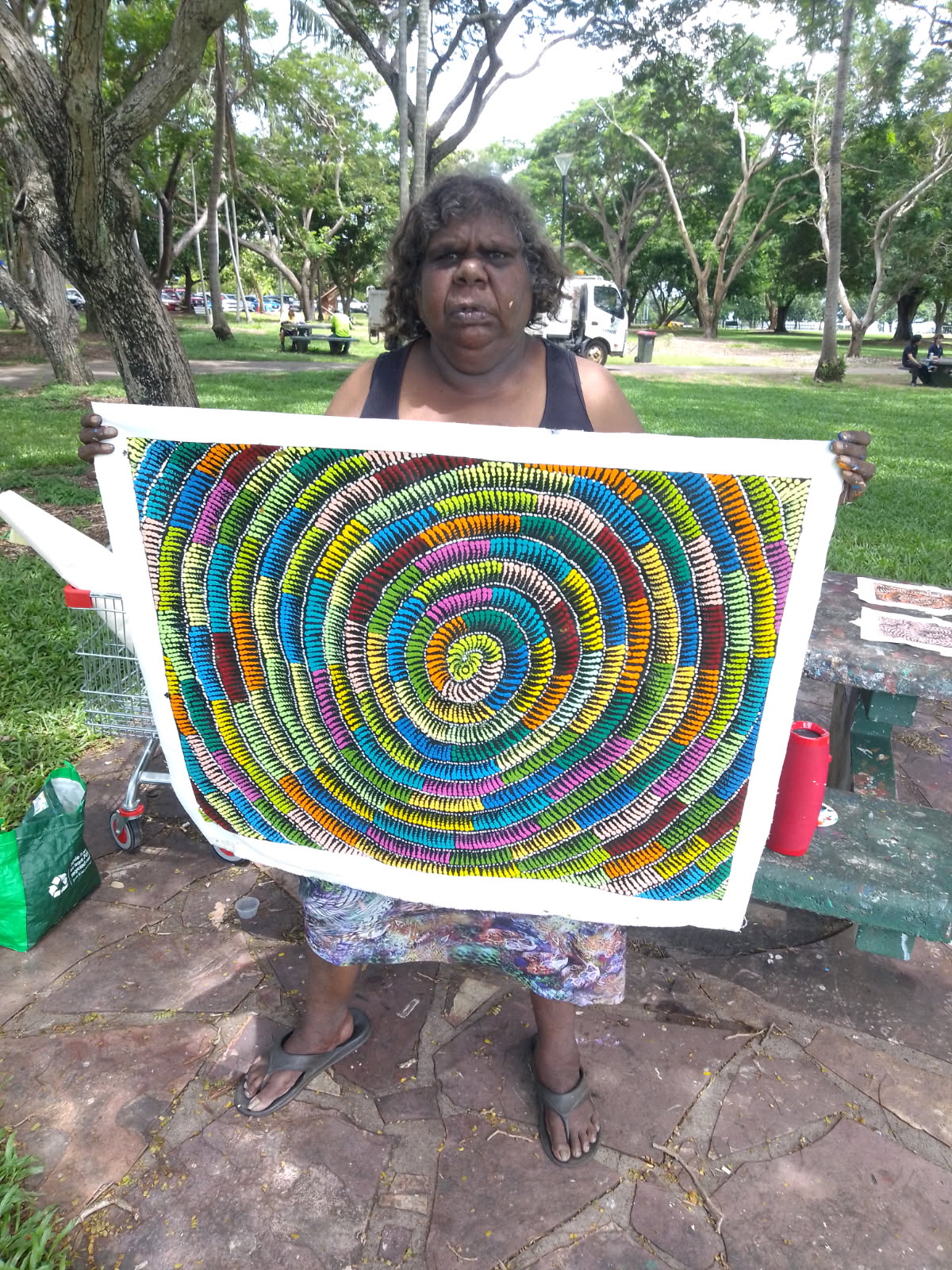
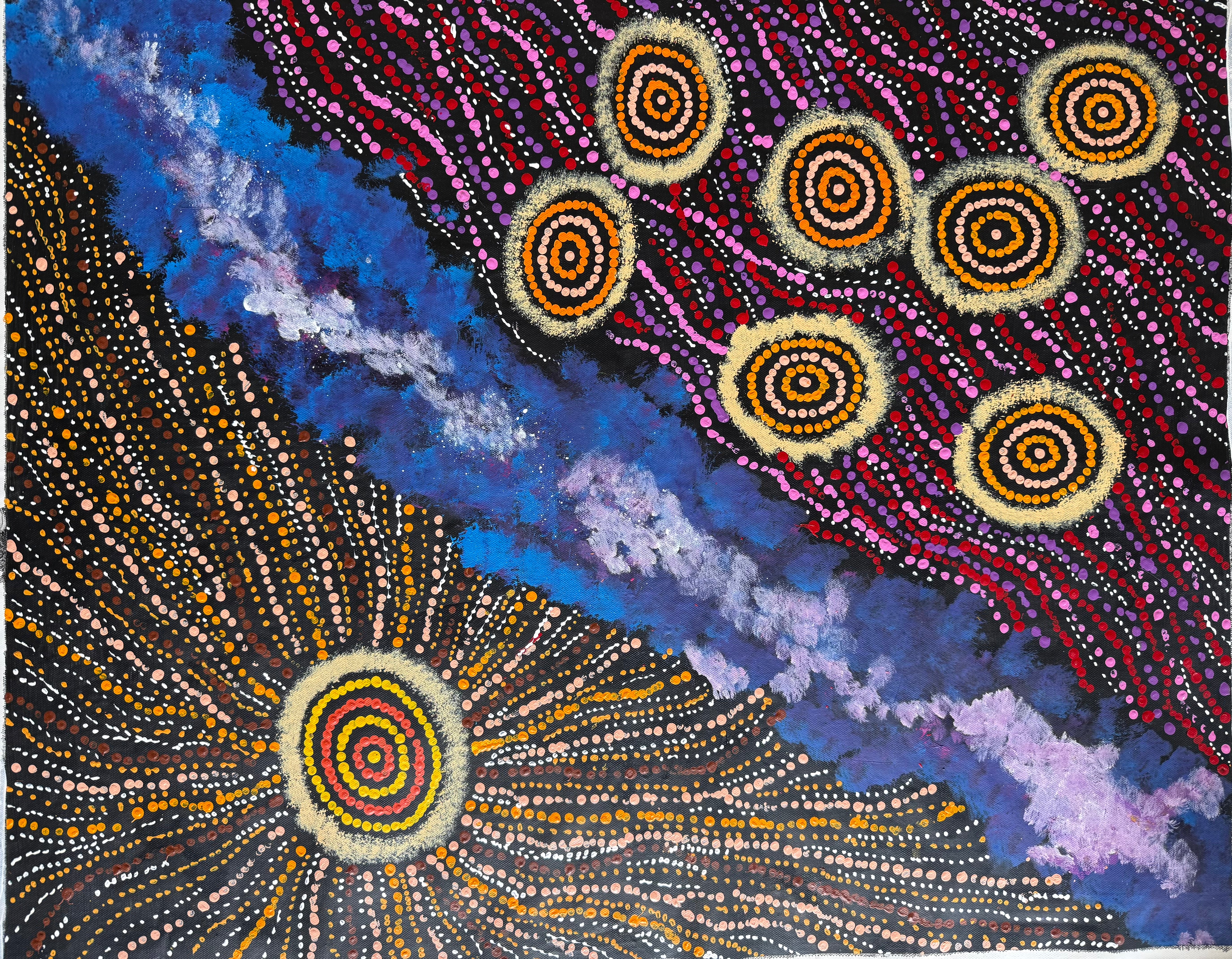
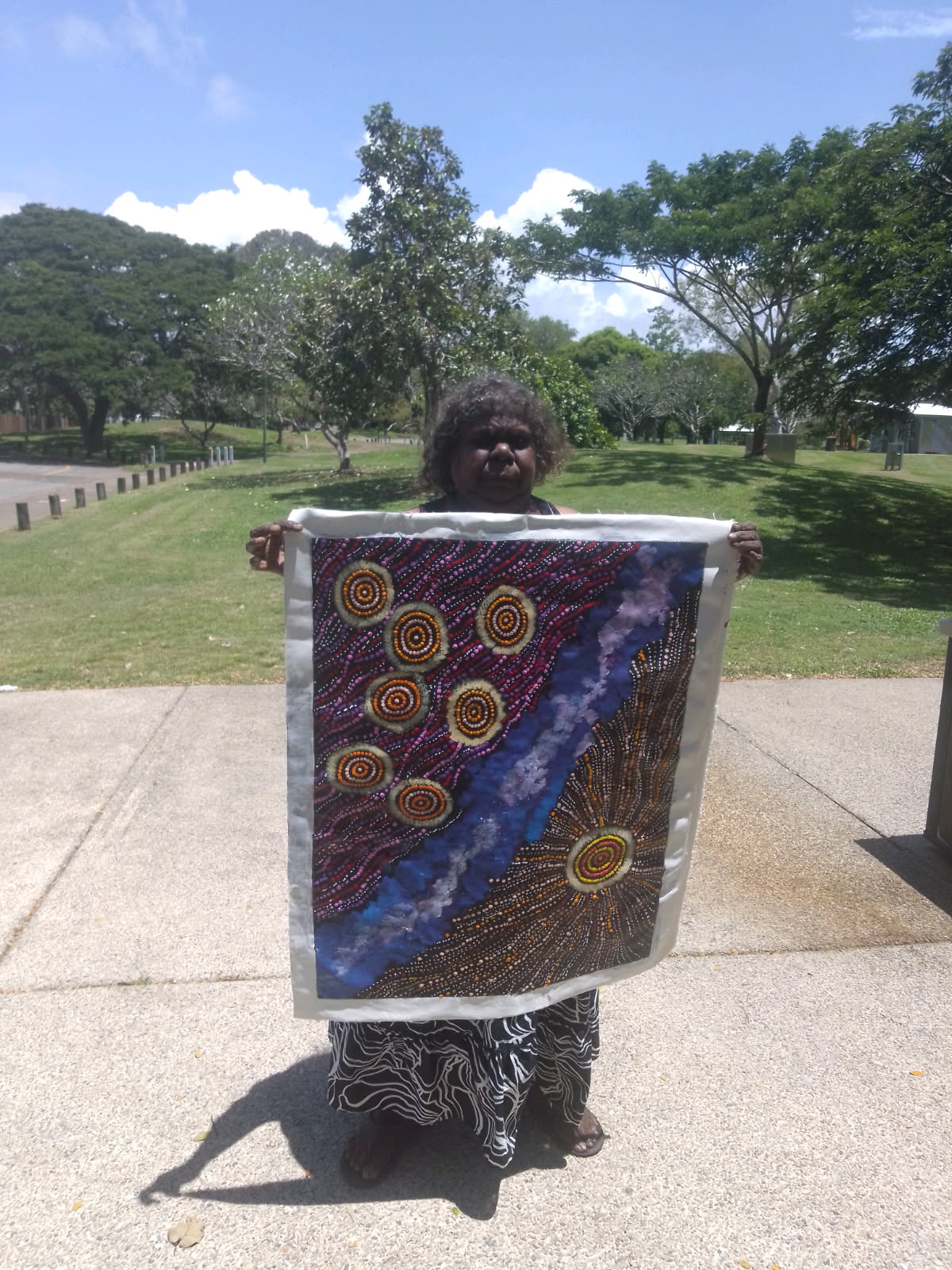
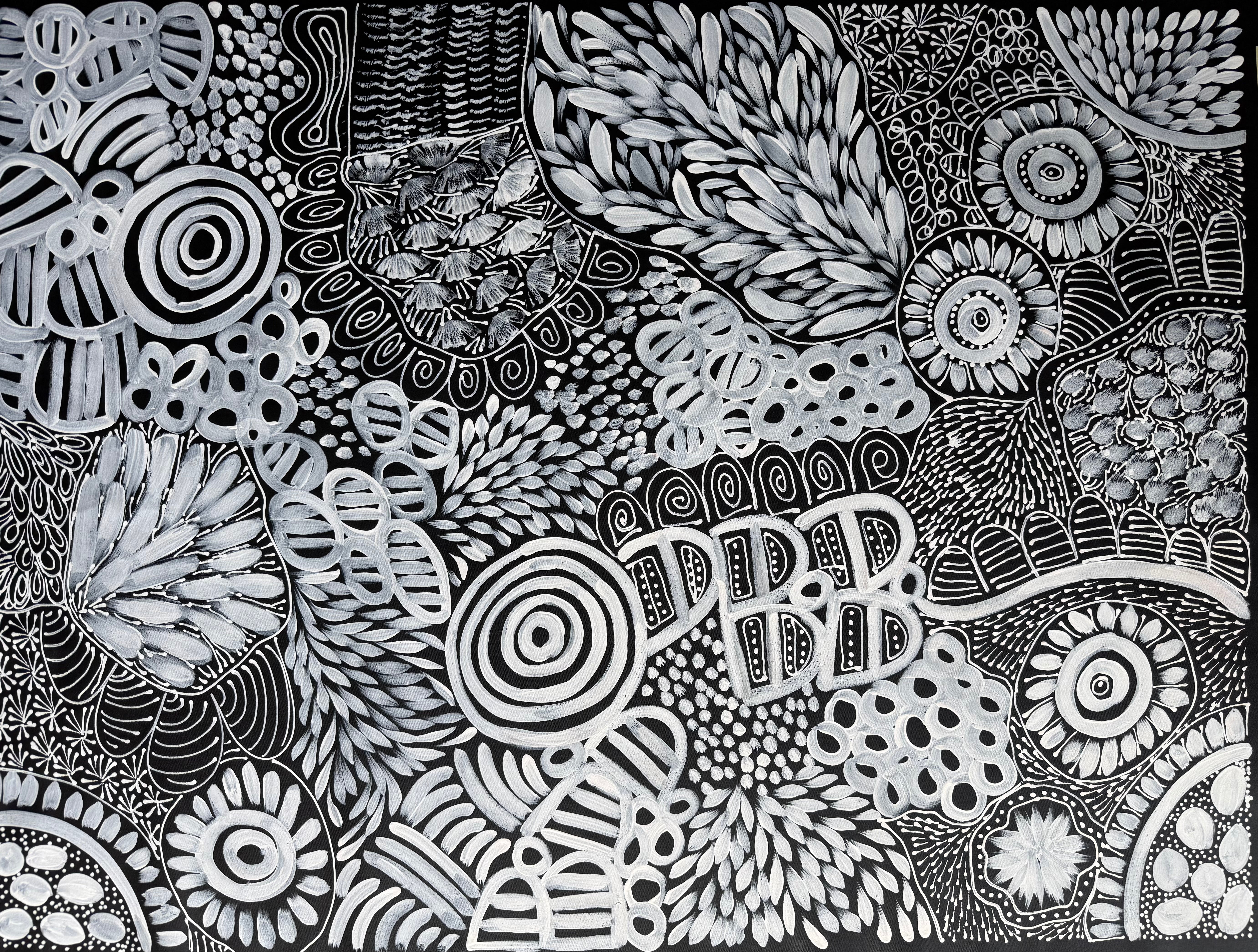
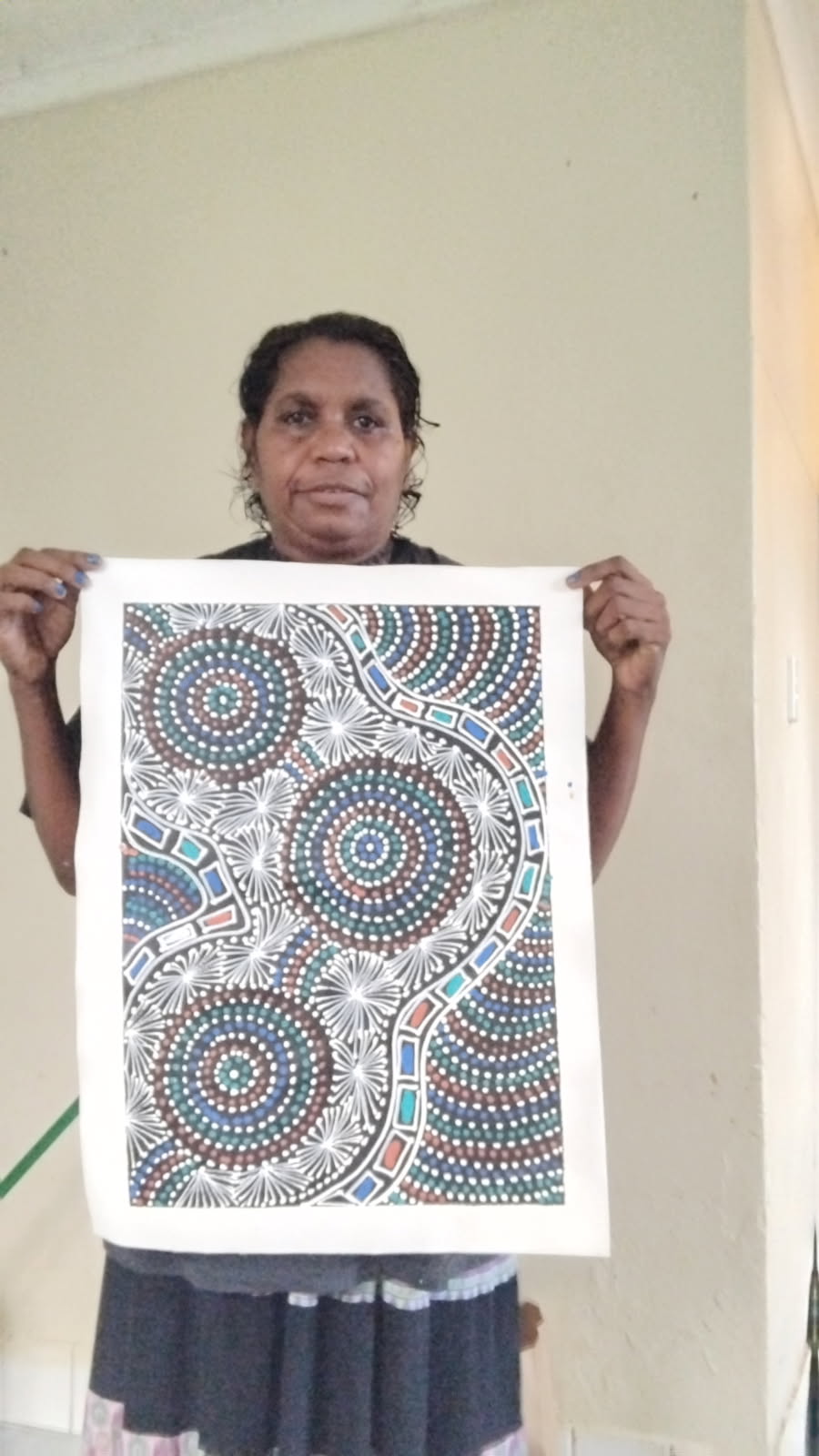
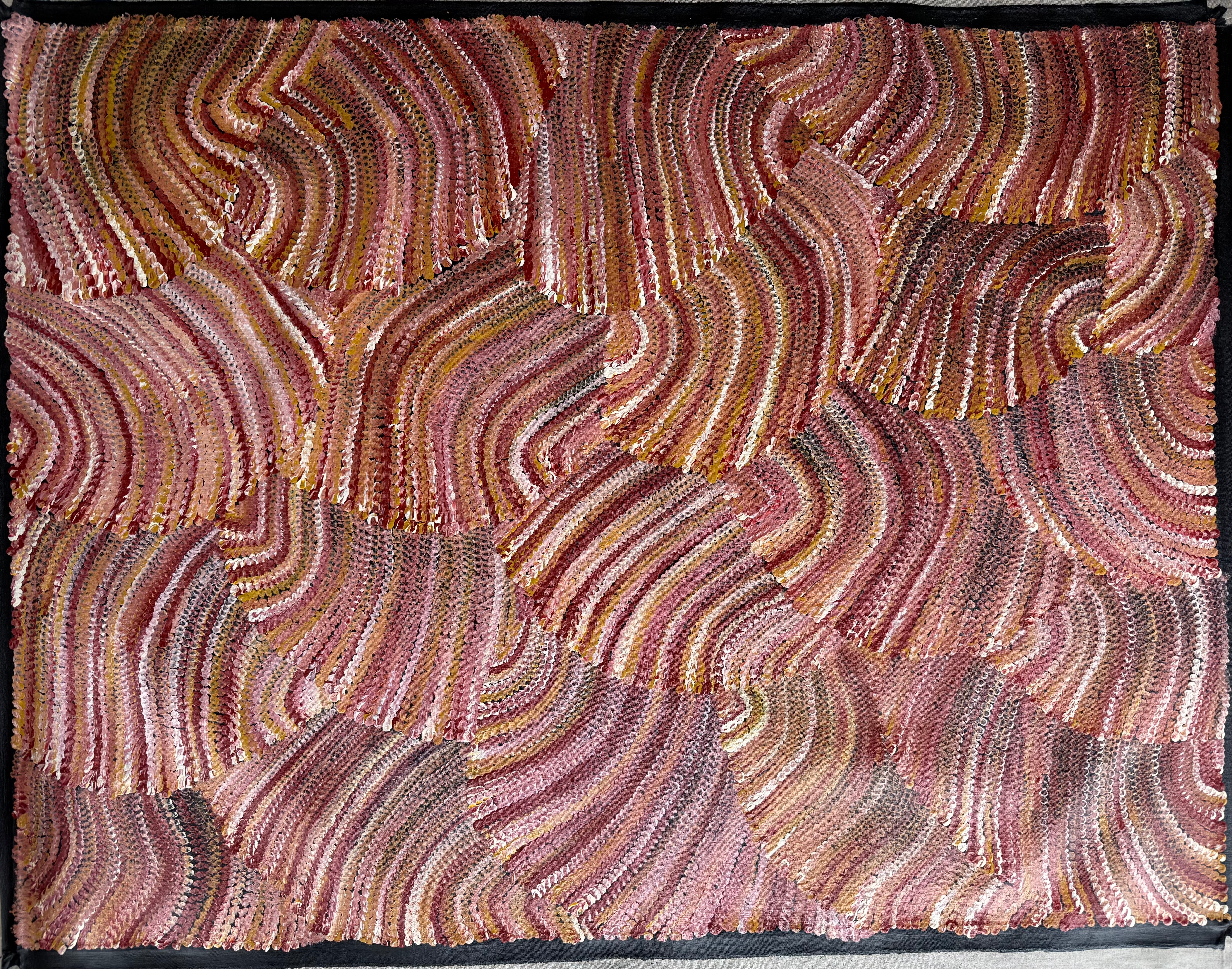
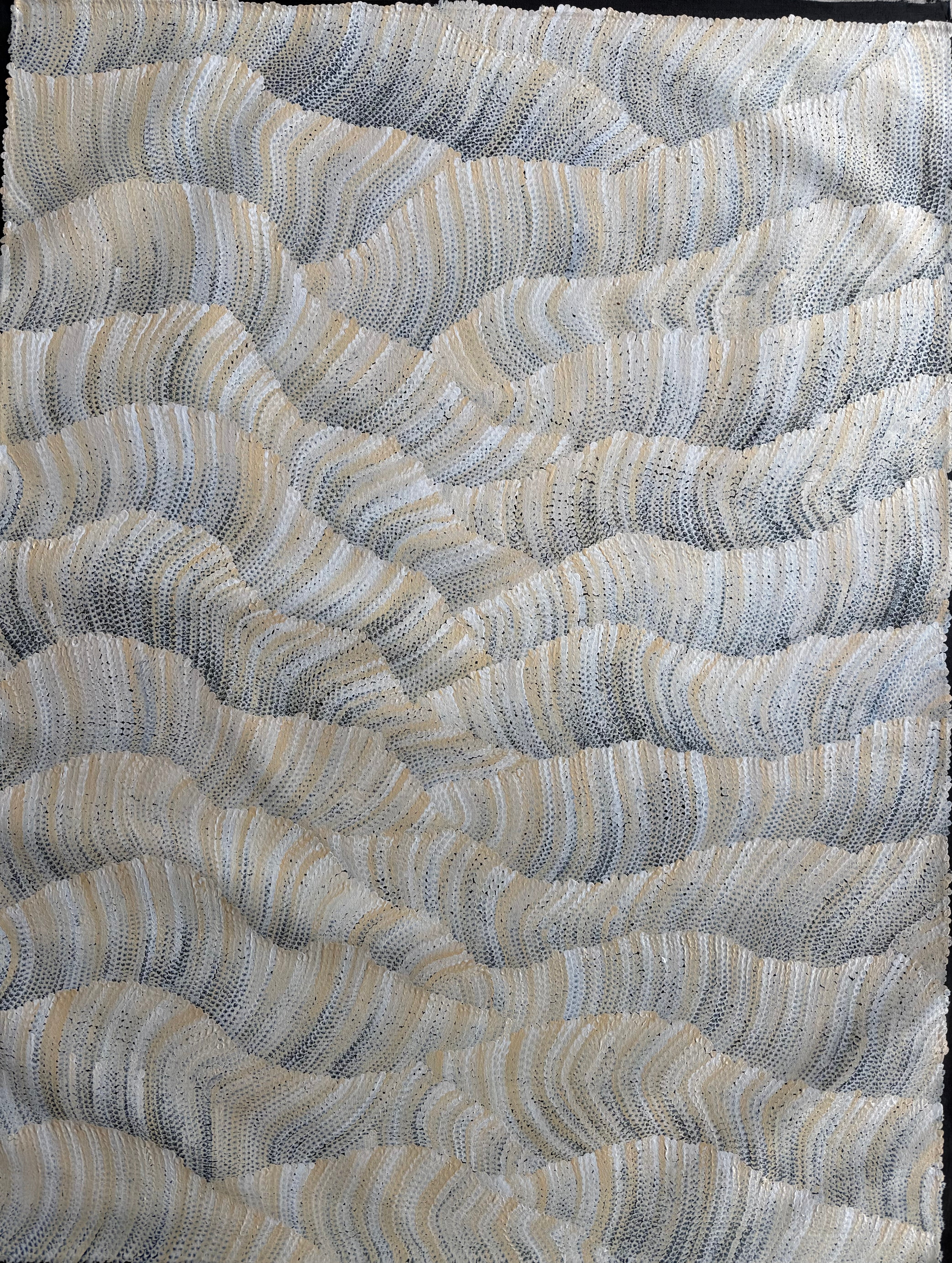
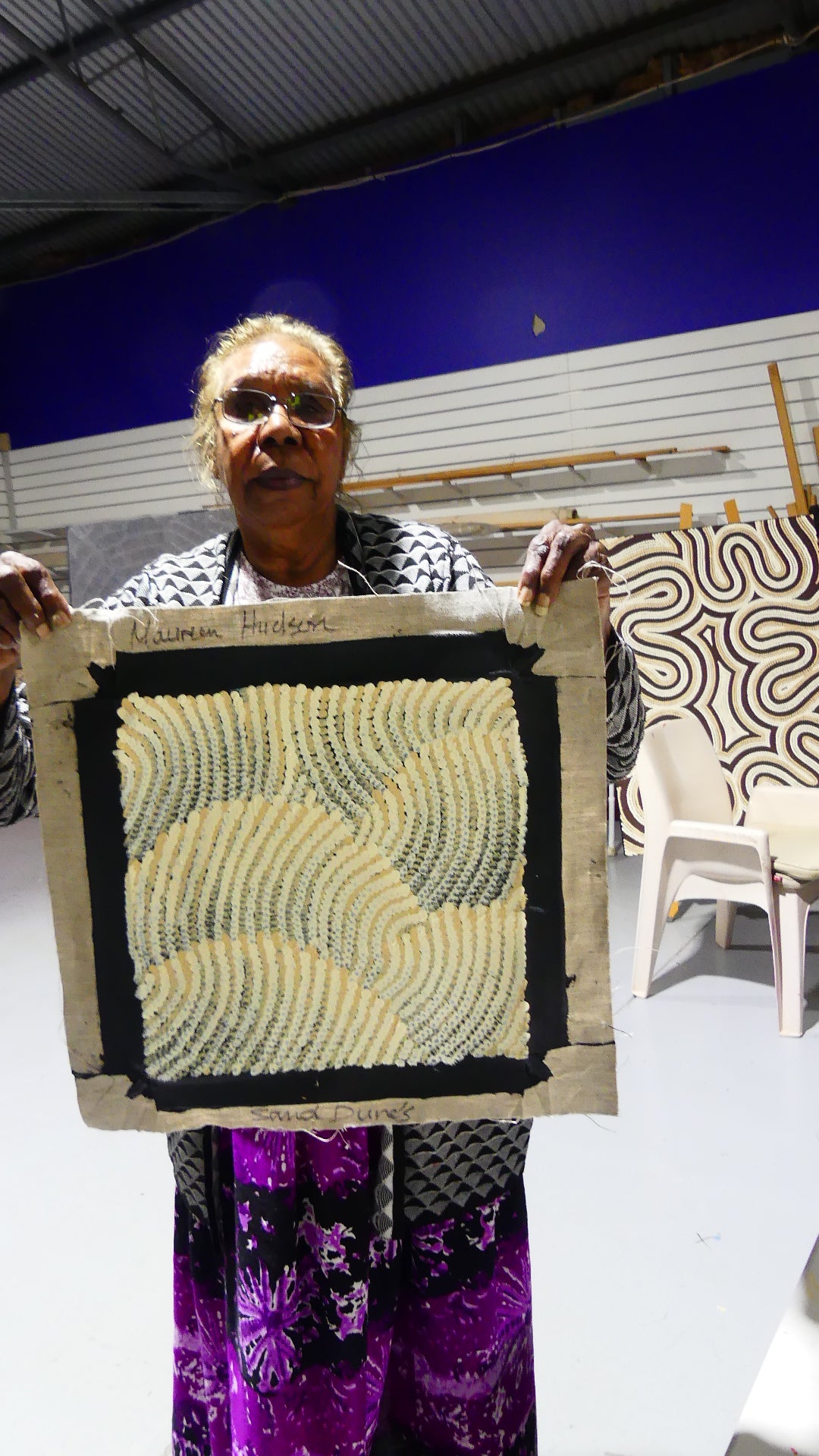
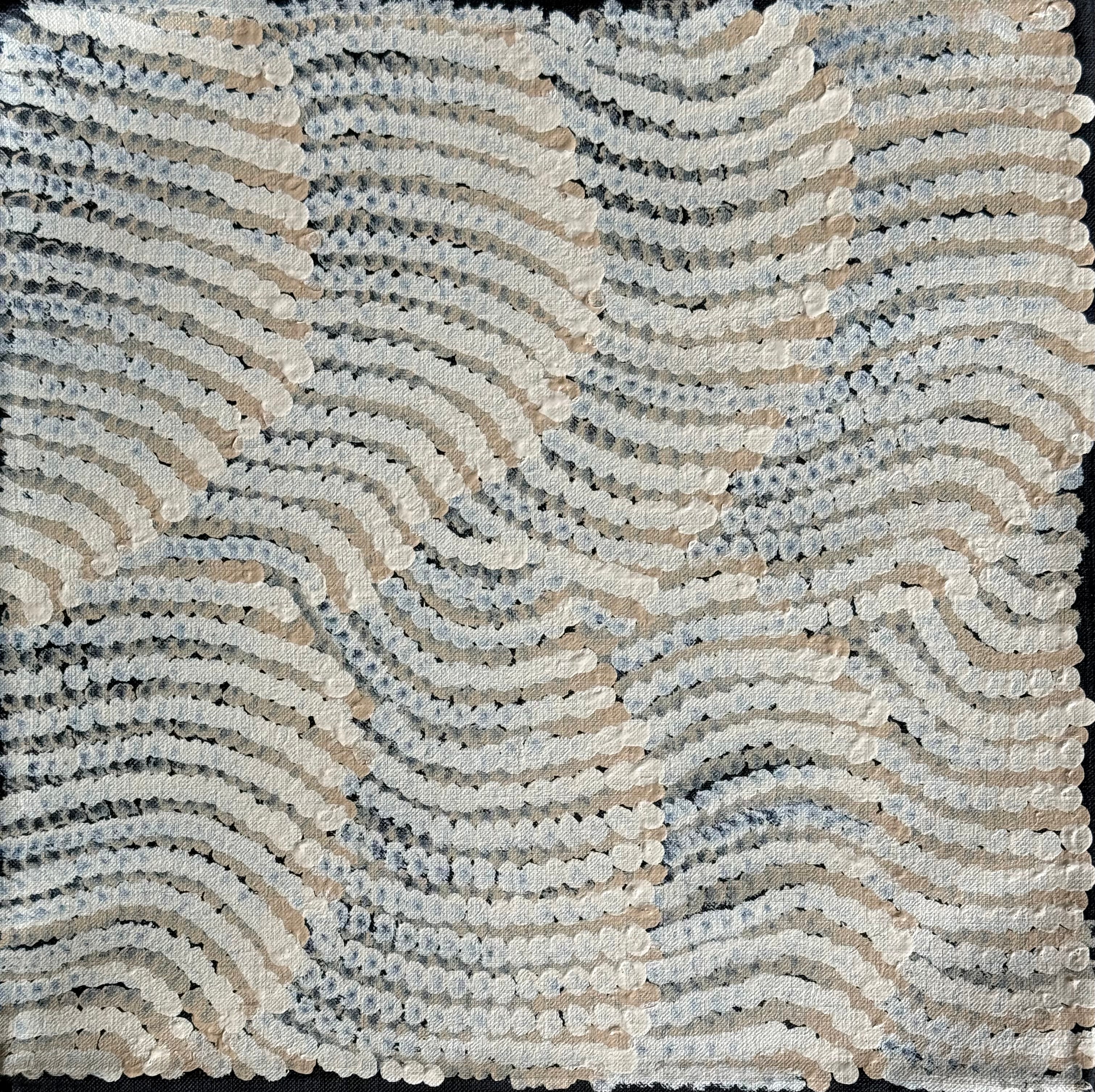
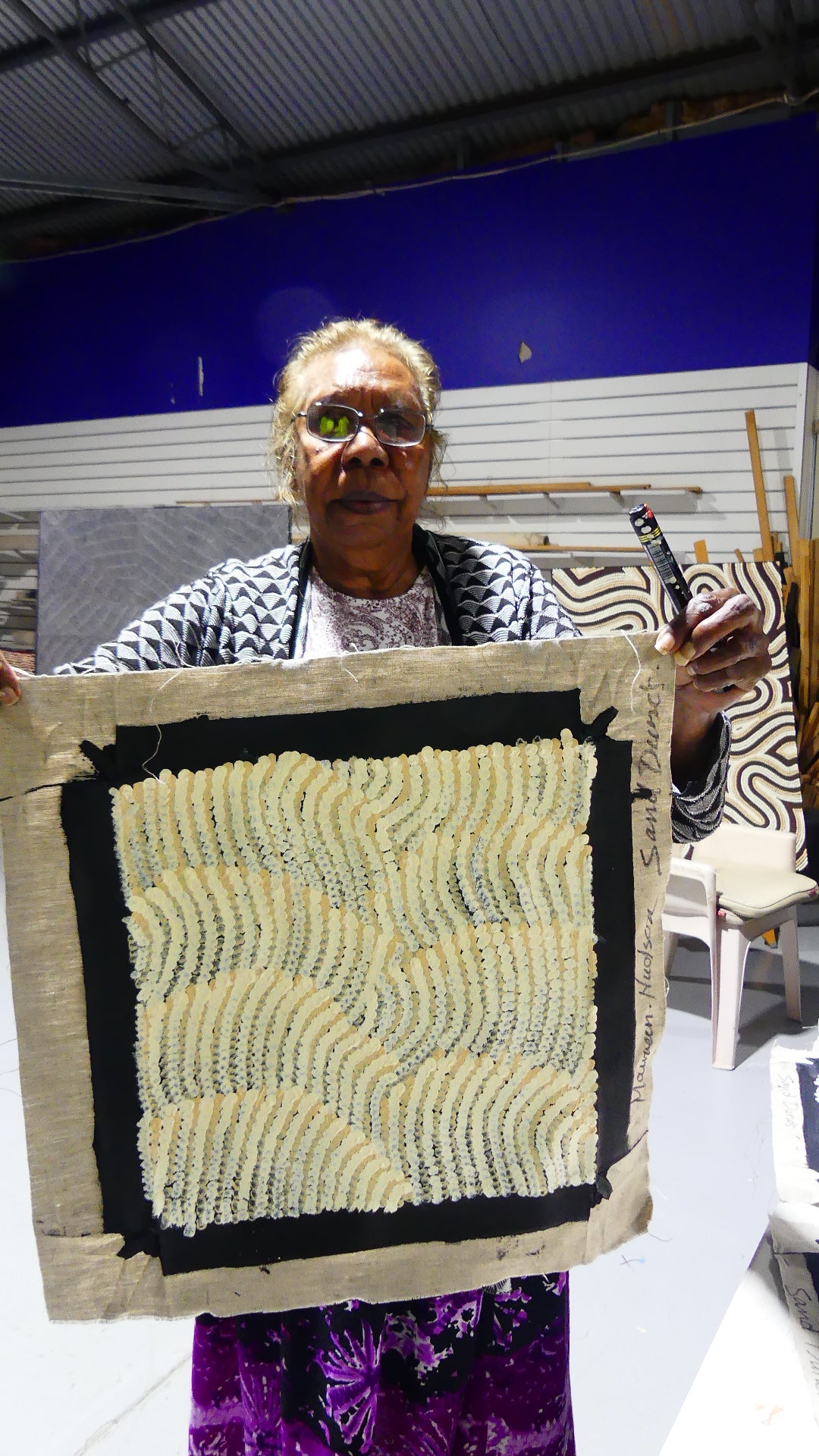
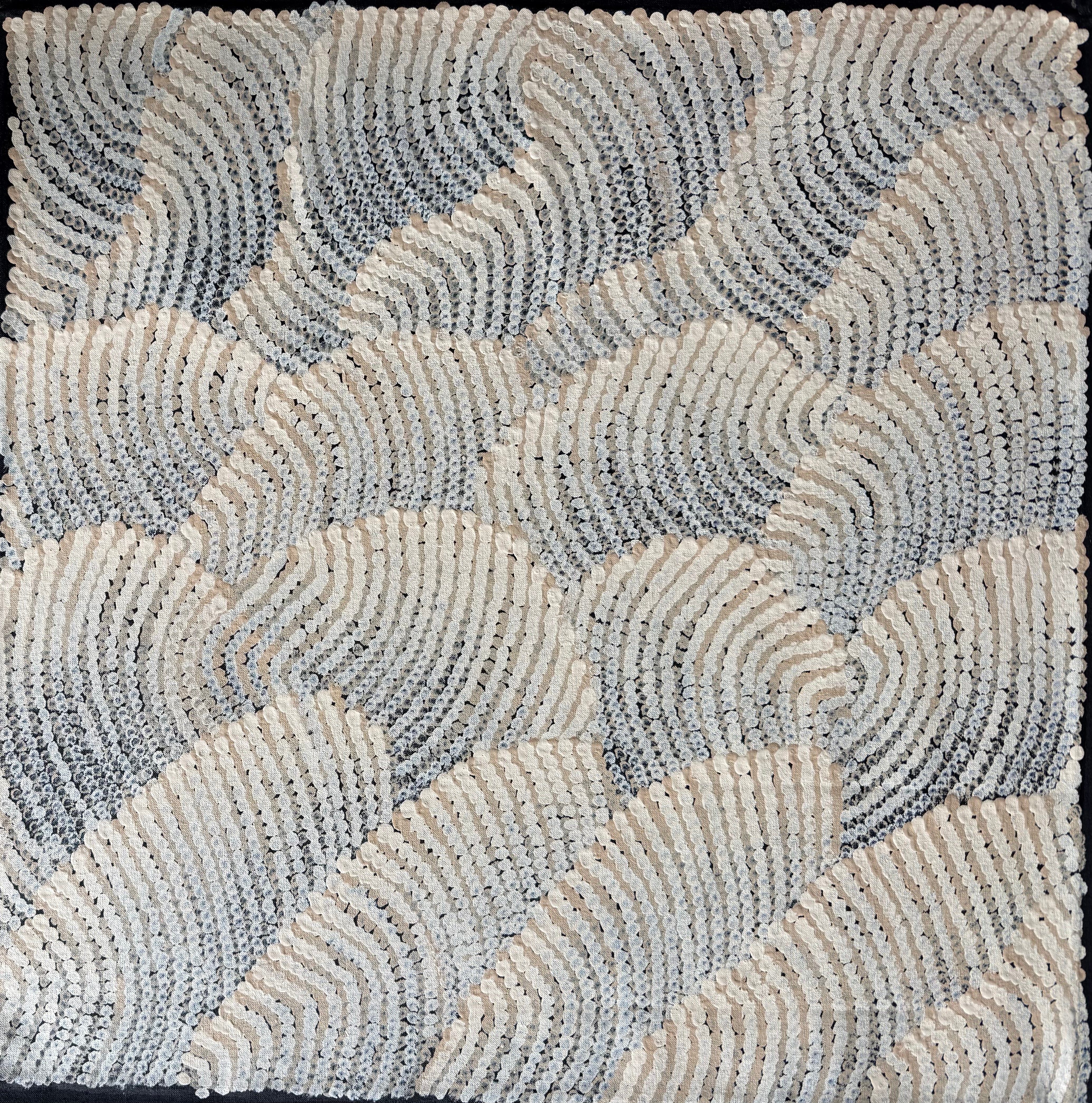
To explain this in a bit more detail, it’s important to note that dot art, as we recognise it today, began with the Papunya Tula Art Movement in 1971. Geoffrey Bardon, a schoolteacher at Papunya, encouraged the local Aboriginal men to paint their traditional stories on canvas and board. This initiative gave rise to the first dot paintings. Early artists included Clifford Possum Tjapaltjarri, Kaapa Tjampitjinpa, and Johnny Warangkula Tjupurrula, and their work brought attention to Aboriginal art as an important and valuable form of cultural expression.
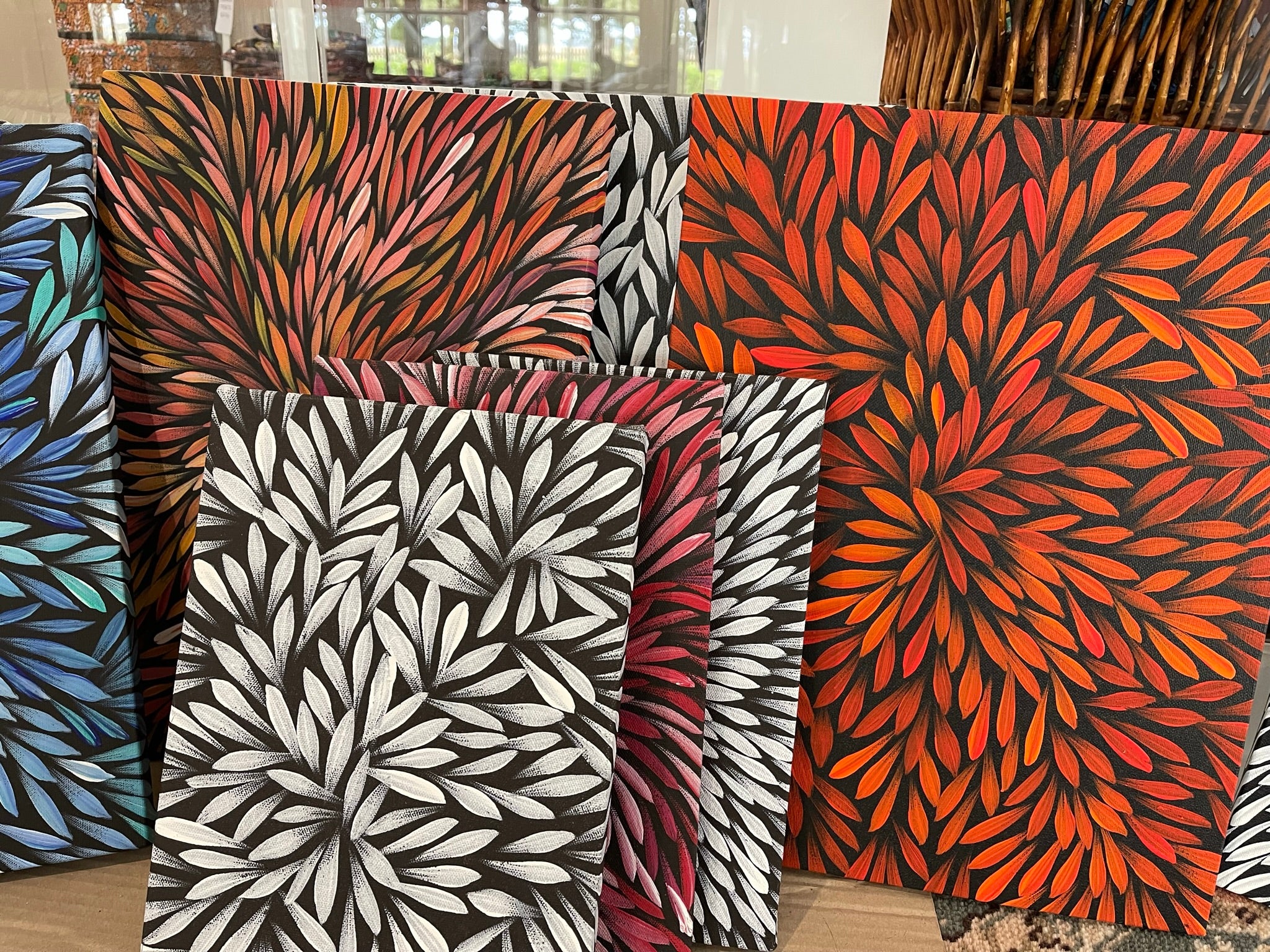
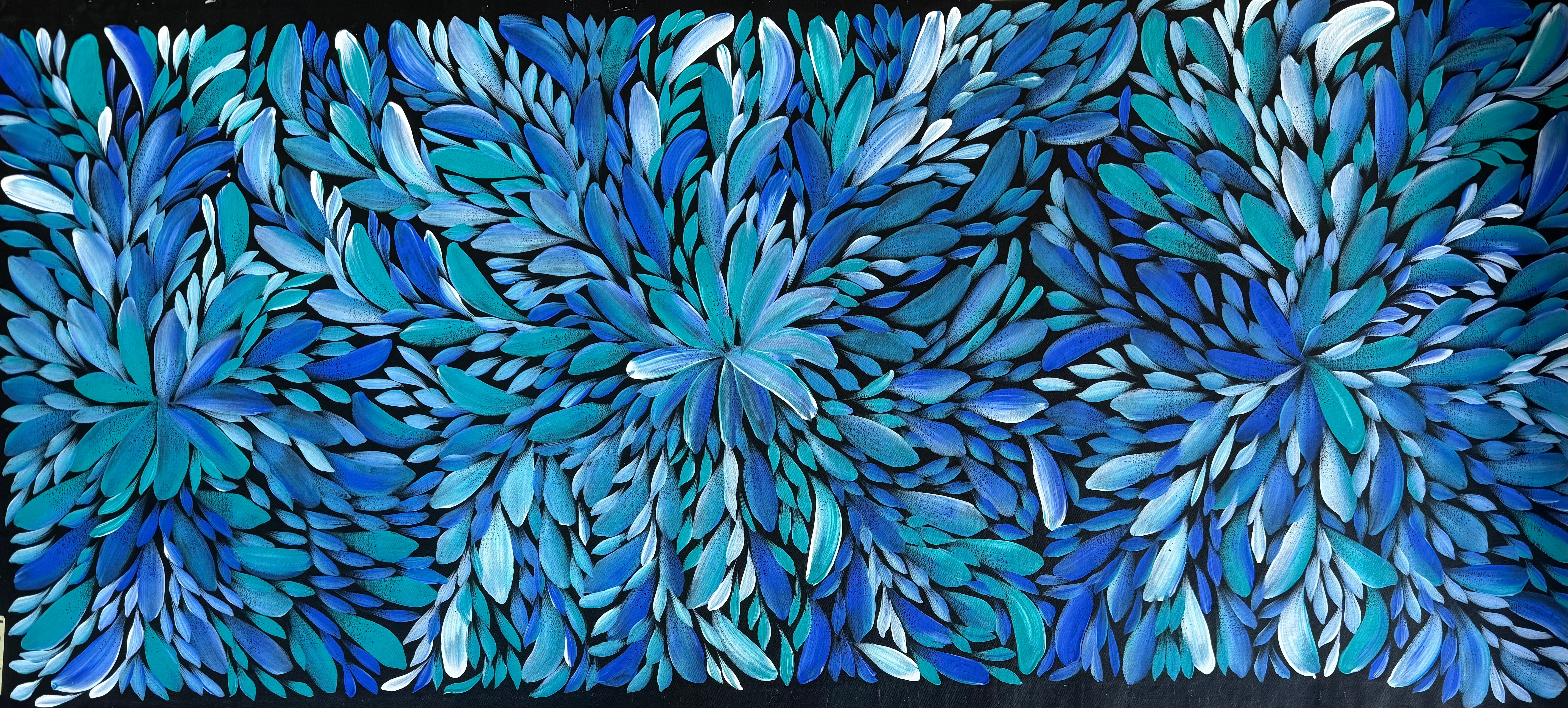
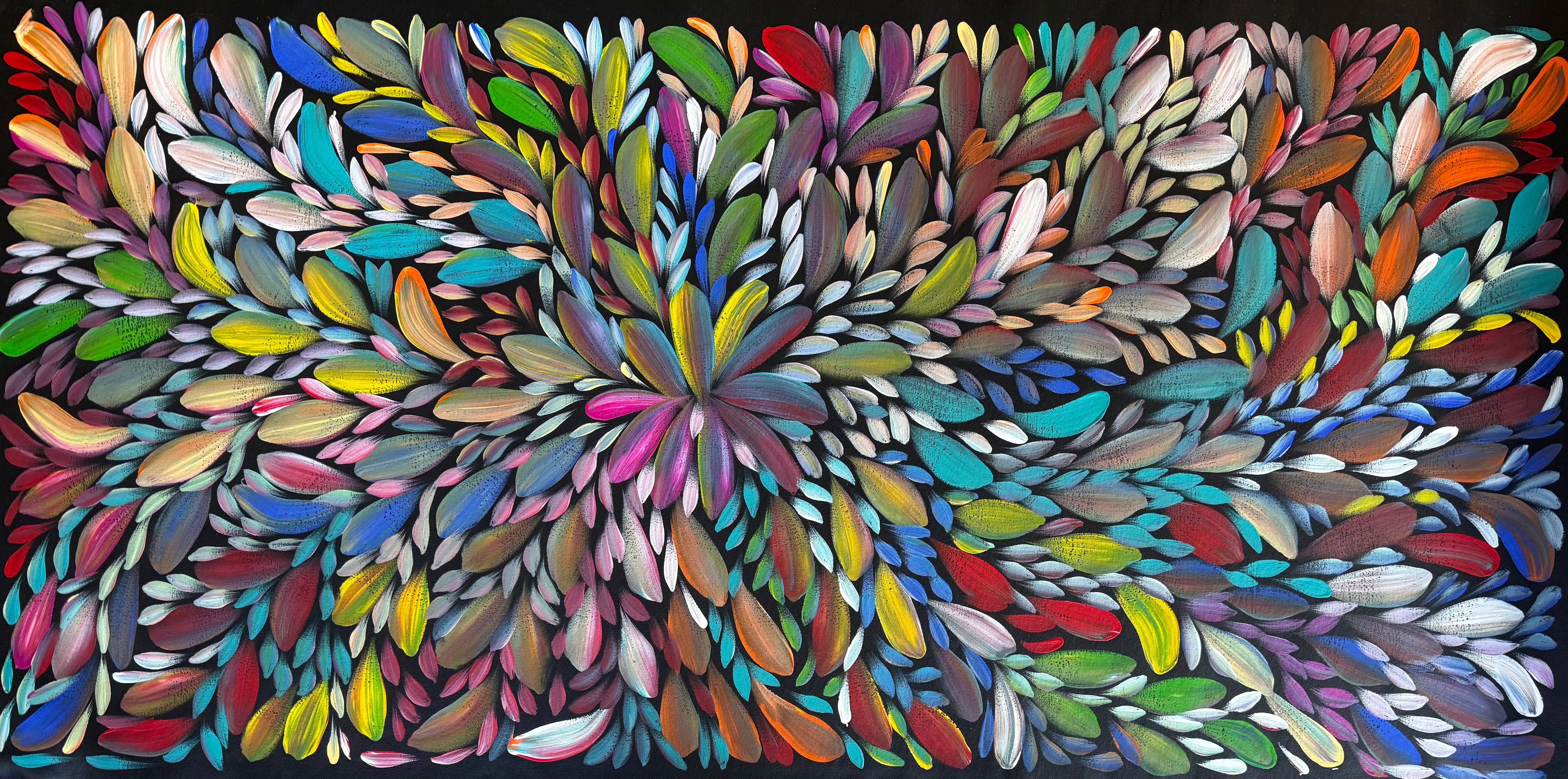
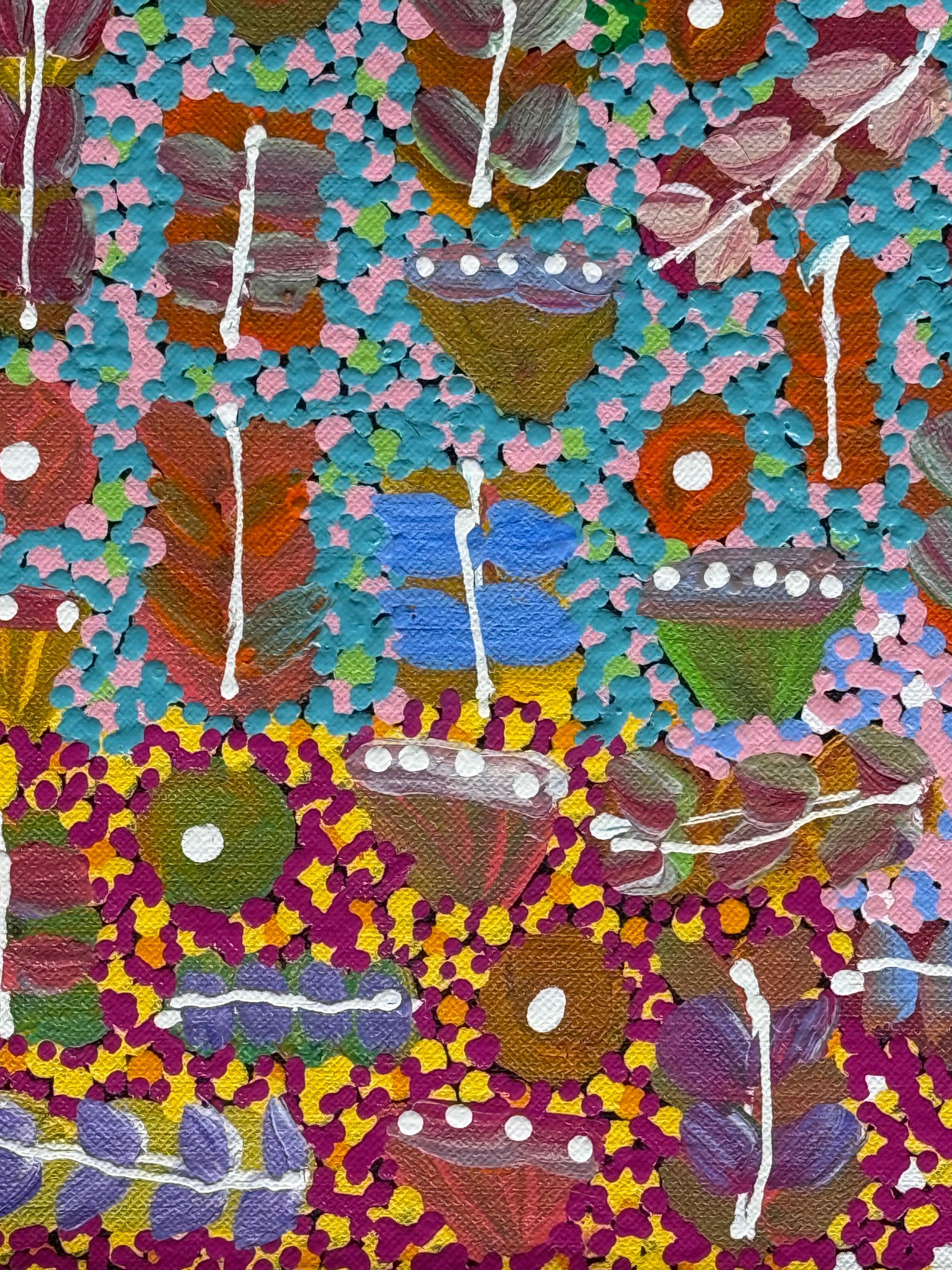
Before acrylics, natural pigments like ochres were used, but they were less durable and therefore prone to disintegration over time. The acrylic paints introduced by Bardon allowed the artists to explore the integration of more vibrant colours that could reflect a vast range of ecological and environmental elements of their storytelling, while also ensuring the longevity and preservation of these important works. Today, dot art continues to evolve, blending traditional and contemporary elements, but the essential elements of each story remain connected to their cultural origins.
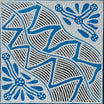
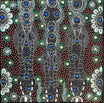
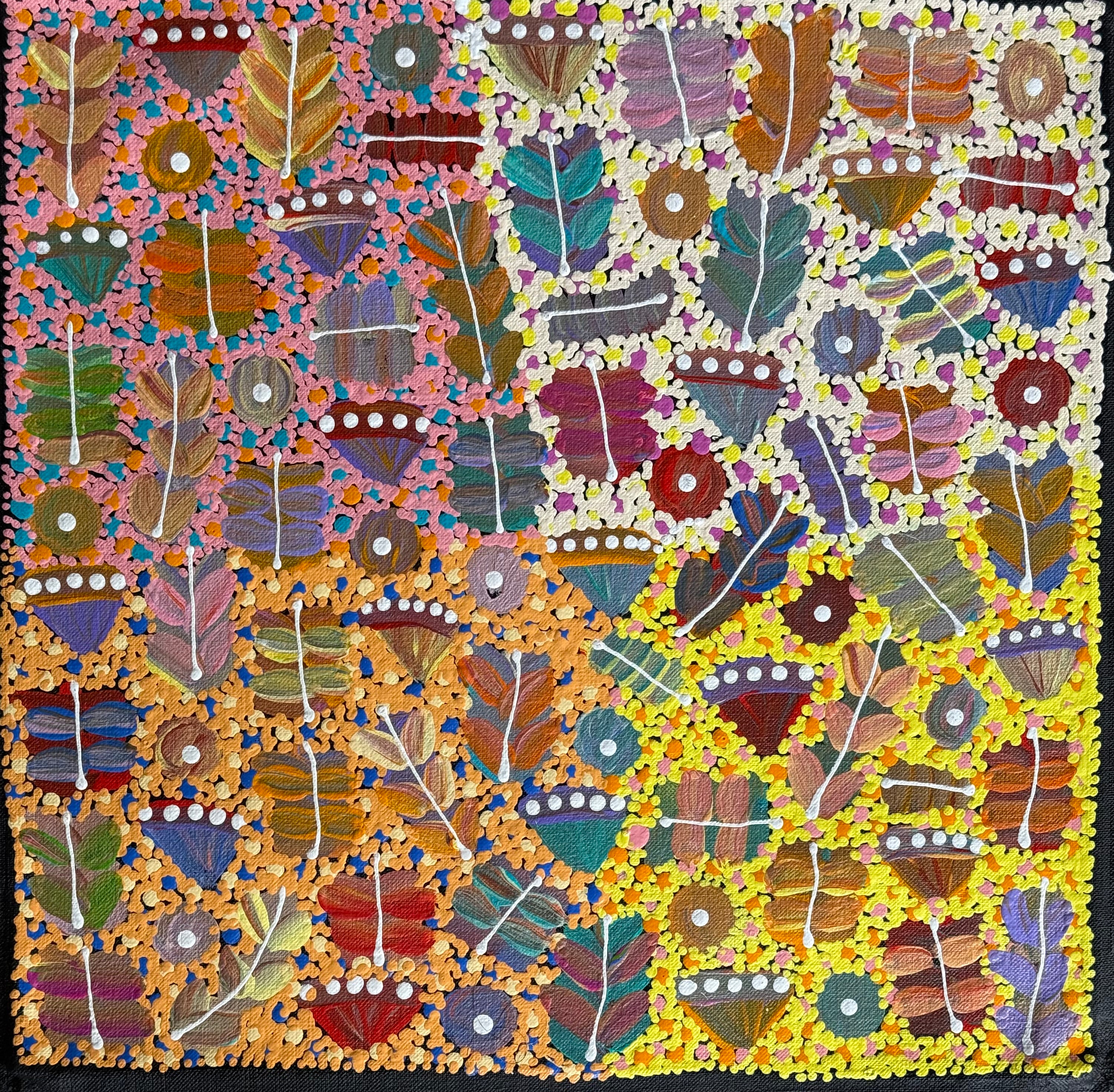
When Aboriginal people first started creating art to be purchased by outsiders, dots became a tool that was used to mask sacred symbols in the artwork. Dots were of course used prior to the 1970s, but this is when they became more abundant. The reason for this is that Aboriginal Art carries a lot of power, a kind of power that most non-Indigenous people are not familiar with, a sacred power linked to Country. This is not the kind of symbolism to which anyone could simply have access.
Although some symbolism has become more explicit in Aboriginal Art, and in some instances the dots serve as more of a cultural-visual language, they are still used at times to obscure sacred knowledge.